
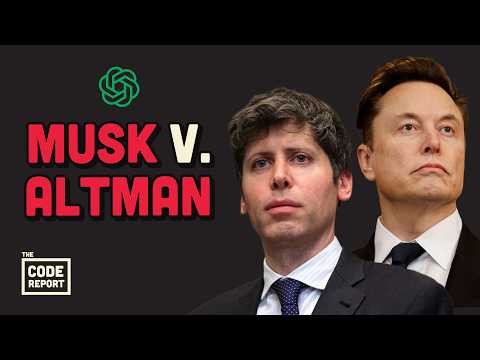
- The litigation alleges that Sam Altman and Greg Brockman improperly converted a public charity into a profit-seeking operation.
- OpenAI's internal 2023 crisis, including executive memos questioning Altman's honesty, serves as a primary evidentiary exhibit.
- Musk's credibility is challenged by his own prior attempts to secure majority control of the organization during its early development.
- The high valuation of OpenAI, driven by billions in Microsoft investment, makes the requested disgorgement figures exceptionally large.
I can’t believe this trial is real...
The ongoing federal trial over whether OpenAI breached its founding nonprofit mission and if its conversion to a for-profit entity constitutes a violation of charitable trust.
Key Takeaways
- Elon Musk seeks up to $134 billion in disgorgement, arguing that OpenAI abandoned its original nonprofit mission for lucrative commercial gains.
- Evidence from internal communications, including emails and diaries, reveals a history of shifting power dynamics and failed control attempts among founders.
- The lawsuit's success is unlikely, as defense arguments highlight Musk's own 2017 efforts to convert OpenAI into a for-profit company with himself as CEO.
- The final decision rests with Judge Yvonne Gonzalez Rogers, as the jury serves in an advisory capacity only.
Talking Points
Pro Analysis
Strategic Significance
This trial represents a crucial stress test for how nonprofit structures handle rapid commercialization in the AI sector. If the court validates the 'charitable trust' theory, it creates significant legal risk for founders who seek to pivot their organizations toward massive profit without absolute adherence to original founding missions.
Who Should Care
- AI Ethics Advocates: The case sets a precedent for how 'mission-driven' tech entities can be legally managed.
- Tech Investors: Understanding the fragility of OpenAI’s governance model provides insight into the stability of companies with hybrid nonprofit/for-profit structures.
- Startup Founders: Those operating under similar structures should take note of how early-stage internal communications and informal agreements are being used as primary evidence in high-stakes litigation.
Contrarian Takeaway
Musk’s lawsuit may ironically strengthen OpenAI’s legal defense by forcing the court to acknowledge there was no formal, binding contract mandating the company remain a nonprofit forever. By litigating, he has unintentionally underscored the lack of legal guardrails on the company's early governance.
Time saved: