

How to Learn Python for AI in 2026 (From a Senior Applied Scientist at Amazon) #shorts
How to Learn Python for AI in 2026 (From a Senior Applied Scientist at Amazon) #shorts
Stop coding random AI apps.
Stop coding random AI apps.
Stop watching tutorials—do this.
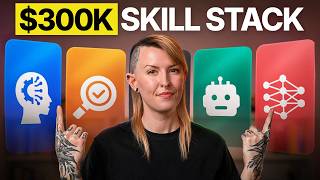
Scale your AI career by moving on.

The 2026 way to get hired in AI.

Mastering the AI career pivot

Your AI agents are rotton.

Remote jobs aren't gone, just hidden.

Your job security plan is a trap.

Stop building toy apps to get hired.
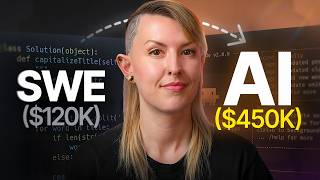
Scale your career into AI engineering.

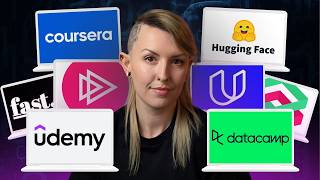
Most popular academic courses focus heavily on theoretical foundations but often lack essential training in model deployment and production MLOps.
The ideal learning path combines rigorous algorithmic study with hands-on experience in modern tooling like Docker, Kubernetes, and cloud-based APIs.
Free resources and specialized tracks often provide a more practical, skill-focused education than traditional, entry-level university programs.
Success as a machine learning engineer requires self-directed effort in building end-to-end systems, not just understanding how to train models.


The traditional one-size-fits-all interview approach is obsolete, as companies now utilize diverse assessment methods ranging from AI-proctored algorithmic tests to real-world project deep-dives.
Success in modern interviews requires shifting focus toward becoming a 'T-shaped' engineer—developing deep expertise while maintaining a working knowledge of the full stack.
The most effective preparation strategy is to prioritize building real-world projects over generic coding exercises, while also explicitly asking recruiters about the specific interview format for the target company.
Candidates must learn to act as pilots who direct, verify, and debug AI outputs, as interviewers now prioritize the ability to think critically over merely reciting rote solutions.


Coding roles that focus purely on syntax translation are being automated, but high-level software engineering roles involving system design and decision-making are growing.
AI tools act as amplifiers, significantly boosting the output of experienced engineers while potentially enabling poor habits in novices.
Professional software development requires deep system literacy to handle debugging, security, and accountability, which AI cannot provide.
Success in modern tech requires mastering a structured workflow that balances human judgment with AI efficiency.


Shift your professional value from routine task execution to higher-impact activities that leverage AI agents for complex reasoning and analysis.
Master workflow automation tools like Zapier and n8n to eliminate repetitive tasks and increase individual productivity.
Develop an "AI-first" mindset by interrogating information and reverse-engineering successful outputs rather than merely relying on basic summarization.
Prioritize AI security and critical verification habits to protect sensitive data and prevent the pitfalls of AI's frequent, confident errors.
