
Back to Feed
“Zero token architecture”
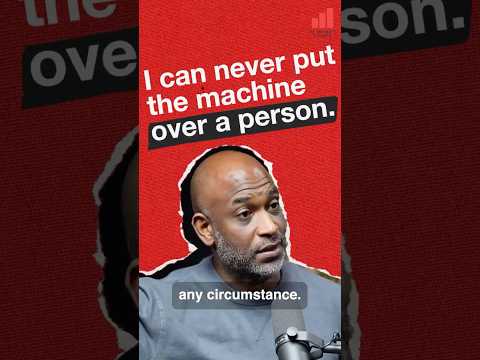
The Signal
The speaker advocates for a "zero token architecture," a workflow philosophy that rejects prioritizing machine output over human cognition. The central tension pits this human-first approach against a perceived industry bubble that dangerously over-relies on generative AI and software as universal problem-solving panaceas.
The Case
- The speaker defines "zero token architecture" as a methodology of learning, thinking independently, and completing tasks directly rather than burning machine tokens.
- Central to the speaker’s value system is the categorical claim that a human must never be subordinated to a machine, regardless of the tools involved.
- The speaker characterizes current industry trends as a failure of perspective, asserting that many believe software or generative AI can solve every human problem.
- To justify this authority, the speaker cites their own history of writing code, publishing books, and engaging in community problem-solving, implying these experiences form the basis of their expertise.
- Much of the speaker's argument remains asserted rather than evidenced; the transcript provides no data to support the effectiveness of their chosen architecture or the prevalence of the "blind" AI-reliance they criticize.
The 1 Minute Signal Take
The speaker’s argument is an experiential philosophy rather than a technical strategy. Since the video offers only rhetoric and assertions without a demonstration of how this architecture functions in practice, skip it.
Tags
Back to Feed