
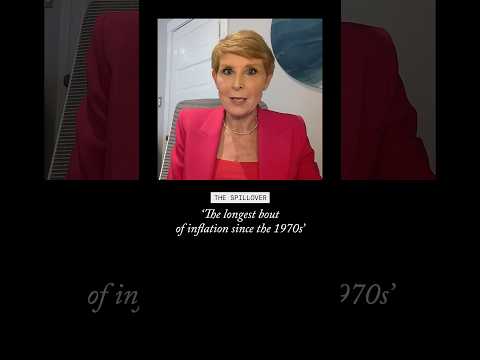
Why It Matters
This commentary marks a pivot from 'soft landing' optimism toward a 'stagflationary warning' framework. By framing inflation as an existential threat rather than a cyclical inconvenience, the speaker challenges the prevailing notion that central banks can fine-tune their way out of current imbalances without significant economic pain.
Strategic Implications
For investors and policymakers, this analysis suggests that the risk of 'over-tightening' may be less dangerous than 'under-tightening.' It signals that the policy floor for interest rates is higher than many market participants currently anticipate, as the Fed is effectively being urged to prioritize the long-term integrity of the currency over the near-term health of the housing or labor markets.
Evidence & Hype Audit
- Strengths: The use of concrete Y/Y figures for gasoline (34%) and medical care (7%) provides tangible evidence for the 'cost of living' argument.
- Weaknesses: The speaker relies heavily on the '1970s' analogy and a 'cancer' metaphor, which are rhetorically powerful but lack empirical proof that today's economic structure responds identically to 1980s-era interventions.
- Bias: The speaker admits to a self-described 'hawkish' bias based on personal experience, which should be considered when assessing the call for potentially recessionary policies.
Counterarguments
Critics might argue that aggressive tightening ignores the 'supply-side' nature of the current inflation, which high interest rates cannot fix and may actually exacerbate by chilling investment in new housing supply and energy infrastructure.
Who Should Care
- Homebuyers/Renters: Expect high mortgage rates to persist until the 'inflation battle' is clearly won.
- Policymakers: Must weigh the political costs of a recession against the political costs of continued inflation.
- Employers: Should prepare for continued upward pressure on wages as workers struggle to maintain real income.
What to Do Next
- Monitor the gap between wage growth and CPI as a lead indicator for labor stability.
- Shift capital allocation toward assets that typically hedge against stagflation.
- Prepare debt refinancing strategies under the assumption that rates will remain 'higher for longer.'
- Closely track medical and energy index data to gauge the Fed's next potential move.