
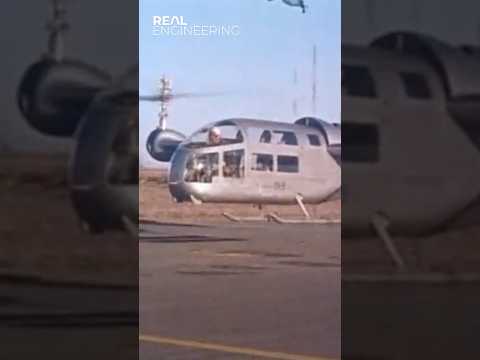
- The XV3's transition-mode vibrations were caused by the lack of stiffness in its rotor linkages and pylons.
- XV3 used a piston engine in the fuselage with a two-speed transmission to achieve both hover and cruise flight.
- The XV15 design shift toward wing-tip propulsion enabled lighter drive components and prioritized structural rigidity.
- The cross-shaft system removes the need for high-torque loads during normal operation, reserving heavy stress for rare single-engine failure scenarios.
The V-22’s prototype was even more dangerous
The video examines the development history of tiltrotor aircraft, focusing on how iterative lessons from the unstable XV3 and XV15 prototypes enabled the safety and operational capabilities of the modern V-22 Osprey.
Key Takeaways
- The V-22 Osprey's poor public perception suffers from a mismatch with statistical safety data, which remains comparable to other military helicopters.
- The XV3 prototype proved tiltrotor flight was possible but highlighted catastrophic vibration risks that nearly destroyed the aircraft and injured its test pilot.
- Moving engines to wing tips in the XV15 reduced structural stress and allowed for the cross-shaft synchronization system that enables safe, single-engine landings in the V-22.
Talking Points
Analysis
Strategic Significance
This evolution demonstrates that structural safety in complex aviation is rarely a single breakthrough; it is a cumulative process of isolating failure modes—in this case, vibration and synchronization—and building mechanical safeguards around them.
Who Should Care
Aerospace engineers, technology historians, and stakeholders concerned with public perception of high-risk hardware should care. It provides a clear case study on how to translate 'dangerous' experimental history into mature, reliable modern technology.
Contrarian Takeaway
Public fear of the V-22 is essentially a legacy of its chaotic development path rather than current performance data; sometimes, long-standing perceptions are simply institutional memory of problems that have already been fixed.
Time saved: