
Why It Matters
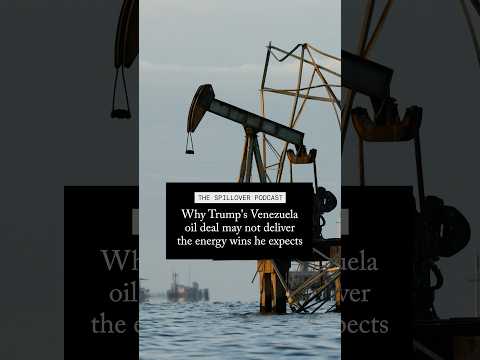
This deal represents a shift toward 'geopolitical energy extraction,' where security forces act as guarantors for private industry in volatile regions. If it succeeds, it could set a template for U.S. intervention in energy-rich, politically unstable nations. If it fails, it exposes significant taxpayer and investor risk.
Strategic Implications
The U.S. is attempting to substitute institutional stability with military-backed 'sovereign cover.' This creates a moral hazard: if the investment goes sour, the U.S. government may feel compelled to escalate its involvement to protect its initial reputation and the capital pledged.
Evidence & Hype Audit
The content relies heavily on assertions. The 'questionable record' of the investor and the exact role of the Pentagon are high-impact variables that remain unsubstantiated. The claim of a '100-year deal' is a bold, long-term commitment that contrasts sharply with the high short-term political volatility of the region.
Counterarguments
Supporters might argue that the 'resource size' alone justifies the risk. With enough capital and a long enough time horizon, the technical challenges of extraction are solvable. Furthermore, state-backed security is the only way to stabilize a region that has been hostile to foreign capital for years.
Role-Specific Takeaways
- Investors: Conduct deep due diligence on the private partner’s historical performance beyond Venezuela.
- Policy Analysts: Monitor whether the Pentagon’s role remains strictly 'cover' or if it expands into operational oversight.
- Energy Traders: Treat supply forecasts for Venezuela as speculative until infrastructure milestones are met.
What to Do Next
- Identify the specific legal entity acting as the private partner.
- Track the first phase of infrastructure deployment for signs of delay.
- Monitor Pentagon budget allocations for projects related to energy security in Latin America.
- Contrast the stated production goals with historical extraction rates in the region.
- Evaluate the specific legislative or executive mechanism providing the 'sovereign cover.'