CFR 9/16 Support or Step Back: The Stakes of U.S. Policy in Ukraine

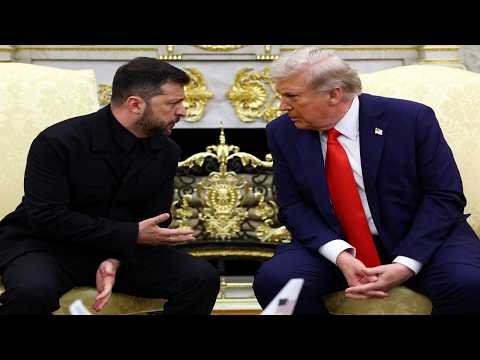
Video thumbnail: CFR 9/16 Support or Step Back: The Stakes of U.S. Policy in Ukraine
Sep 17, 202658m 44s video lengthCouncil on Foreign Relations

The Signal

The war in Ukraine has entered a phase where tactical battlefield transformation—driven by autonomous systems—is outpacing the diplomatic response. While both Washington and its allies are heavily involved, the central tension lies between prioritizing a restructured, inclusive diplomatic process to force an end game versus escalating military support to preserve Ukraine’s autonomy against a Russian state showing no clear intent to compromise.

The Case

Diplomatic Architecture

  • Diplomacy is currently fragmented across isolated tracks between Washington, Kyiv, and Europe, with Samuel Charup of RAND arguing that the near-total absence of meetings where all key actors—including Russia—are present is a fatal structural weakness.0:00
  • Charup identifies the Black Sea and energy infrastructure as immediate de-escalation priorities, noting that 60% of Ukraine’s exports rely on the Black Sea and that previous shipping ceasefires have collapsed, worsening winter risks for civilians.
  • Cory Shaki of AEI contends that negotiation is functionally stalled because Russia’s political objectives remain unchanged, arguing that if Ukraine ceases fighting, its independence will effectively end.

Battlefield and Strategic Costs

  • The war has become a test of material and strategic bandwidth, specifically regarding Patriot interceptors that are simultaneously required to defend against Russian missiles and manage air defense needs in the Iran theater.
  • Battlefield transparency caused by pervasive drone surveillance has made movement lethal, with an estimated 80% of casualties occurring while troops or logistics are in transit.
  • The conflict has deepened the convergence of Russia, China, and Iran, complicating US foreign policy by stretching resources, tightening energy markets via the Strait of Hormuz, and draining the diplomatic bandwidth necessary to manage the Ukraine theater.

Policy Tradeoffs

  • There is an internal dispute over escalation: Charup argues current restrictions on Ukrainian strikes are overly tight and risk a lopsided conflict, while others worry that loosening these restraints invites direct NATO-Russia confrontation or undermines the political contrast between Ukraine’s defensive stance and Russian aggression.

The 1 Minute Signal Take

The conflict is no longer a temporary crisis but a structural fixture of European security that tests the limits of US diplomatic architecture and military supply chains. Readers should view the fragmented state of current negotiations as the most significant barrier to a settlement, as the absence of a unified, multi-party process ensures that even local de-escalation measures, like protecting energy grids, remain precarious.

Pro Analysis

Why It Matters

This discussion highlights the transition from a post-2022 policy of 'blank-check' support to a more constrained, resourc...
Full analysis always available on Pro.

Time saved:56m 39s

Share this

Written by: 1 Minute Signal Editorial Team