
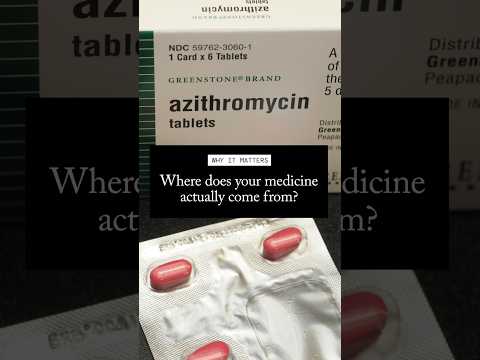
Why It Matters
Pharmaceutical security is a foundational pillar of public health. When the supply chain for essential medicines becomes concentrated in a single, strategically rival nation, routine healthcare becomes a leverage point. The transition from a commercial supply issue to a national security concern is immediate when the product in question is life-saving medication.
Strategic Implications
This dependency forces a difficult trade-off between the efficiency of globalized, low-cost manufacturing and the resilience of domestic or diversified production. Companies and governments must weigh the 'just-in-time' efficiency model against the 'just-in-case' necessity of maintaining local stockpiles or redundant supply lines.
Evidence & Hype Audit
The claims regarding 95% ibuprofen and 70% acetaminophen import shares are powerful, but they require careful interpretation. They measure imports, not total consumption, and do not necessarily capture the complexity of the global chemical supply chain. The framing is somewhat alarmist, focusing on geopolitical risk without detailing specific recent supply disruptions.
Counterarguments
Critics of the 'over-dependence' narrative argue that global trade integration lowers costs significantly for consumers. They might note that diversifying supply chains is not only slow and expensive but could also lead to higher prices for essential drugs, potentially creating a different type of public health crisis related to accessibility and affordability.
Who Should Care
- Policymakers: Evaluating national security threats and pharmaceutical independence.
- Healthcare Executives: Assessing procurement risks and supply chain resilience.
- Pharmacists & Physicians: Monitoring inventory stability and potential shortage risks.
What to Do Next
- Conduct a thorough audit of critical drug inventories to identify single-source dependencies.
- Diversify active pharmaceutical ingredient (API) suppliers across multiple geopolitical zones.
- Invest in domestic 'reshoring' capabilities for high-priority medications.
- Establish strategic national stockpiles to buffer against short-term import volatility.
- Analyze the impact of potential trade restrictions on the availability of essential medicine categories.