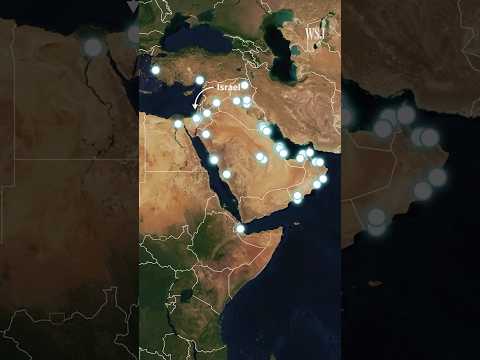
U.S. Weighs Adjusting its Footprint in the Middle East After Iran War | WSJ

Video thumbnail: U.S. Weighs Adjusting its Footprint in the Middle East After Iran War | WSJ
Jun 29, 20262m 33s video lengthThe Wall Street Journal

The Signal

The United States is actively re-evaluating its Middle Eastern military footprint after Iranian precision strikes during the war exposed that legacy, visible Gulf bases are vulnerable to modern drone and missile barrages. Military officials and outside observers are now locked in a debate over whether the military should decentralize its infrastructure, move critical functions underground, or shift assets westward into safer installations like those in Israel.

The Case

  • The U.S. Navy base in Bahrain was repeatedly targeted between late February and June, sustaining extensive damage that the Pentagon has not publicly acknowledged while maintaining that internal operations were not significantly affected.1:06
  • The Wall Street Journal analysis—which utilized satellite imagery, procurement records, and a public Defense Department cost model—estimates that rebuilding comparable Bahrain structures would cost roughly $400 million.1:29
  • CENTCOM officials frame the vulnerability differently, emphasizing that out of 8,000 Iranian missiles and drones fired during the broader campaign, only two resulted in American fatalities, asserting that the military prioritized human life over physical infrastructure.1:50
  • The ongoing review is considering a major strategic shift away from installations in Kuwait and Saudi Arabia toward a more dispersed, hardened regional posture, though the Pentagon notes all planning remains in the early, pre-decision stages.2:05

The 1 Minute Signal Take

The Journal’s reporting establishes a clear, documented discrepancy between the physical reality of the Bahrain base strikes and the military's official silence. While CENTCOM’s focus on low casualty counts is a valid institutional priority, the report makes a strong case that the status quo is untenable; watch this video for the visual evidence and technical detail regarding the vulnerability of these legacy installations that text cannot capture.

Pro Analysis

Strategic Significance:

  • This marks a transition from viewing Middle East bases as permanent, static platforms to acknowledging they are high-risk targets in a high-precision threat environment. It signals the end of the 'legacy infrastructure' era in U.S. regional strategy.

Who Should Care:

  • Geopolitical analysts and defense contractors: The massive potential for infrastructure replacement and the shift in geographic focus will dictate multi-billion dollar procurement cycles and regional security alliances.

Contrarian Takeaway:

  • The U.S. military’s preference for 'protecting lives over buildings' may be a defensive framing that masks the systemic failure of air defense systems to protect the very infrastructure required to project the power that protects those lives in the first place.
Time saved:33s

Share this