
Strategic Implications
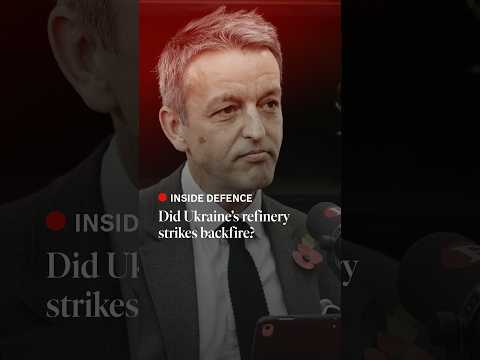
The core dilemma presented is the conflict between immediate military survival and long-term diplomatic viability. When a weaker party (Ukraine) uses attrition tactics that affect global commodities (diesel), they inadvertently transform a local conflict into a global economic issue, inviting interference from third-party powers whose primary interest is domestic stability.
Evidence & Hype Audit
The content relies heavily on political assertions and geopolitical intuition. It lacks hard data linking specific refinery hits to precise fluctuations in global diesel supply, and it assumes a causal, reactive nature in Donald Trump's decision-making process. It is a strategic narrative rather than an empirical analysis.
Counterarguments
A contrarian view would argue that if Ukraine does not take these risks, they lose by default due to a slow-motion defeat. Restraint provides no guarantee of Western support; therefore, aggressive action, regardless of secondary effects, is a necessary gambit to force an end to the status quo.
Role-Specific Takeaways
- For Policy Analysts: Monitor the correlation between energy price volatility and diplomatic public statements from the U.S. administration.
- For Military Planners: Assess the 'blowback' potential of kinetic strikes against civilian-adjacent infrastructure.
What to Do Next
- Analyze the sensitivity of global diesel markets to refinery output disruptions.
- Track the rhetorical shifts in U.S. executive communications regarding the 'cost' of the war.
- Assess the viability of alternative pressure points that do not directly inflate global commodity prices.
- Evaluate the degree to which domestic election cycles influence long-term foreign policy concessions.