
Why It Matters
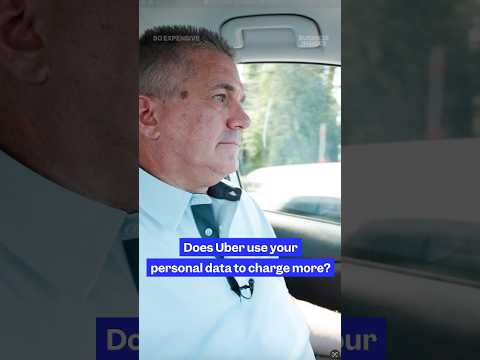
The opacity of modern algorithmic pricing impacts every consumer, transforming simple transportation into a data-extractive process. When companies like Uber hold patents for sensitive behavioral inference while simultaneously facing regulatory requirements to disclose data usage, the resulting friction creates a significant trust deficit.
Strategic Implications
For companies, the "disclosure trap" is real: providing granular notices to satisfy local laws like those in New York may inadvertently create PR liabilities by confirming that algorithms are indeed utilizing personal data in ways customers may not expect or appreciate. For users, this signifies an era where their physical habits—from walking speed to typing cadence—are potentially quantified as economic indicators.
Evidence & Hype Audit
This content is heavily reliant on corporate PR statements and narrator-led interpretations of patents. The patents are evidence of intent and capability, not necessarily deployment. The tone is moderately alarmist, using patent language to bridge the gap between what is possible and what is happening.
Counterarguments
One might argue that personalized pricing is merely an extension of dynamic pricing, which has long been accepted in travel and hospitality. If data usage leads to cheaper fares for specific demographics, it could arguably be seen as beneficial rather than predatory.
Who Should Care
- Regulators/Privacy Advocates: Should look beyond the narrow scope of Uber's "location-only" defense.
- Data Scientists/Product Managers: Should understand the PR impact of transparency disclosures on consumer sentiment.
- Riders: Should treat any app disclosure indicating "personal data" usage as a prompt for restricted location sharing.
What to do next
- Check your app's privacy settings to limit unnecessary data permissions.
- Compare pricing for the same route across different devices or user profiles.
- Look for similar disclosure language outside of New York to gauge the scope of the algorithm.
- Research the specific requirements of the New York state law referenced to understand the trigger threshold for these disclosures.
- Demand clearer, non-legalistic definitions of "personal data" from ride-sharing providers.