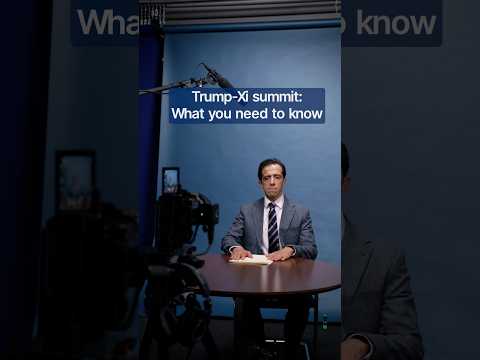
Trump-Xi summit: What you should know

Video thumbnail: Trump-Xi summit: What you should know
Sep 22, 20262m 40s video lengthBrookings Institution

The Signal

Chinese President Xi Jinping is visiting Washington for the first time since 2015, yet the meeting marks a tactical pause in U.S.-China relations rather than a structural reset. While both sides seek to manage a relationship constrained by mutual inability to escalate, they enter the summit with conflicting expectations of diplomacy.

The Case

  • Analysts frame the current U.S.-China dynamic as stuck, noting that Washington remains restricted by lingering trade-war constraints and the limitations of an informal agreement reached during the Trump presidency.0:06
  • Donald Trump — who views himself as a consummate dealmaker — is reportedly seeking tangible wins by banking on personal rapport and charisma with his counterpart.
  • The speaker contrasts Trump’s approach with that of Xi, who is described as indifferent to personal diplomacy and more focused on using the summit to project peer status.0:33
  • Xi’s primary goal is allegedly to gain strategic breathing room and buy time from U.S. competitive policies, rather than locking in a formal, durable deal.1:10
  • The speaker explicitly rejects Beijing’s preferred description of the relationship as "constructive strategic stability," arguing instead that little joint progress is occurring. ### Future Outlook
  • The current period of stability is characterized as a tactical pause, with significant policy recalibration expected only after the 2028 U.S. election and Taiwan’s next leadership cycle.1:53
  • Summit optics such as photo ops and positive rhetoric are dismissed as non-transformative, with observers cautioned against mistaking symbolic warmth for fundamental shifts in strategy.1:26

The 1 Minute Signal Take

Do not look for breakthrough dealmaking in this summit; see it instead as a defensive maneuvering phase for both leaders. The relationship remains stuck in a period of mutual restraint that is unlikely to evolve until the next major electoral cycles in Taiwan and the United States.

Pro Analysis

Strategic Implications

The current diplomatic environment is characterized by a "frozen" competition. Because both the U.S. and China ar...
Full analysis always available on Pro.

Time saved:1m 3s

Share this

Tags

Written by: 1 Minute Signal Editorial Team