
Channel: The Economist
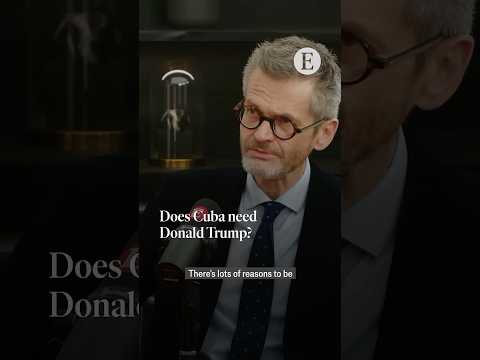
Does Cuba need Donald Trump? | The Economist
The Signal
This discussion assesses whether current U.S.-Cuba policy—which has relied on ideological confrontation for six decades—can finally be replaced by business-style dealmaking. While the participants agree that past approaches have generated only misery, they remain deeply divided over whether Donald Trump is a viable or dangerous vehicle for such a shift. The central tension pits an opportunistic desire for regime change against concerns that Trump’s alleged crony capitalism and lack of attention span will undermine any potential transition.
The Case
- The primary objection to a Trump-led deal is the risk of "crony capitalism," where the speaker asserts he would steer contracts toward friends rather than achieving actual reform.
- Supporters of a deal argue that the strategy is justified because Cuba is "90 miles away" and existing policy has failed for 60 years, making even a "shabby" agreement worth it if it dislodges an entrenched regime.
- Skeptics, including contributors Christopher and Sarah, fear Trump lacks the requisite attention span to manage a complex political transition, which they state would require consistent follow-through over months or even years.
- Marco Rubio is invoked as a figure who has "spent his whole entire life" focused on Cuba, though the speakers offer this as a credibility cue regarding the potential for an opportunity rather than presenting it as proven political strategy.
- The speakers concede that no specific deal is currently on the table, framing the entire conversation as speculative regarding whether a transaction-based approach could be transparent and durable.
The 1 Minute Signal Take
The video offers a coherent summary of the skeptical case against Trump’s dealmaking style, though it treats speculative concerns—such as the prediction that Trump would inevitably prioritize crony contracts—as settled character traits. It is worth watching for the internal contrast between the "any deal is better than this" perspective and the bureaucratic requirements for a successful political transition. Skip this if you only need the arguments for and against the efficacy of dealmaking in authoritarian contexts, as the summary captures the core mechanics effectively.
Time saved:
Tags
Channel: The Economist