
Why It Matters
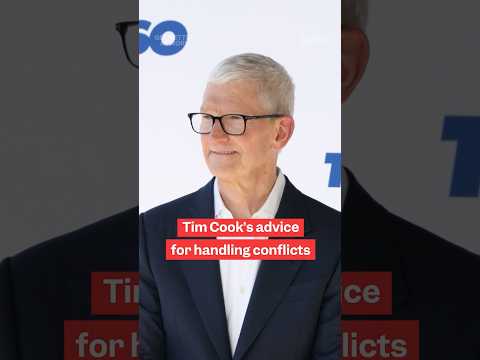
In a professional environment increasingly prone to polarization, the ability to maintain working relationships across ideological or tactical divides is a rare, high-value skill. Most organizations suffer from 'information filtering,' where leaders only hear what they want to hear. Cook's approach suggests that true resilience comes from radical transparency and feedback exposure.
Strategic Implications
For leaders, the strategy is clear: institutionalize the intake of bad news. By creating safe channels for complaint, you shift the culture from 'blame-avoidance' to 'problem-solving.' For individual contributors, the ability to engage with a detractor without losing composure is a major differentiator in career progression.
Evidence & Hype Audit
This content is high-signal but relies heavily on anecdotal evidence. While Cook’s success is well-documented, the transcript asserts the effectiveness of his methods as a universal 'best practice' without providing data. It is a compelling philosophy, but it should be viewed as a leadership heuristic rather than a scientifically proven technique.
Counterarguments
Critics might argue that constant engagement with critical, high-conflict personalities is emotionally taxing and can lead to burnout. There is also the risk of 'feedback fatigue,' where listening to every complaint hinders decisive action. Sometimes, maintaining distance is the most rational choice to preserve mental bandwidth.
Who Should Care
- Middle Managers: Who need to synthesize feedback from frontline employees to present to executives.
- Leaders: Who want to avoid the 'echo chamber' effect in their decision-making process.
- Individuals in High-Conflict Roles: Who feel stuck in professional stalemates.
What to do Next
- Conduct a 'disagreement audit' and list the top three people you avoid.
- Schedule a low-stakes check-in with one person on that list.
- Prepare specific 'understanding-first' questions (e.g., 'Help me understand how you see this situation?').
- Practice active listening: summarize their point back to them before offering your own.
- Use the 'information-first' mindset: ask yourself, 'What does this complaint reveal about our process?'