MCP Servers Explained & Built

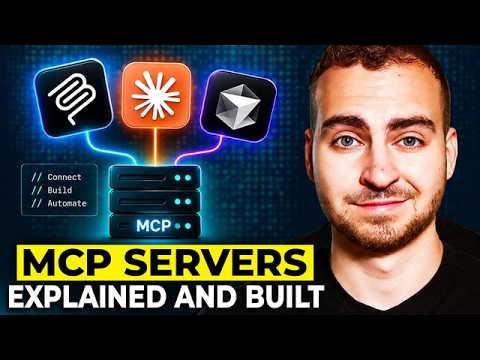
Video thumbnail: MCP Servers Explained & Built
Sep 24, 202630m 14s video lengthTech With Tim

The Signal

The Model Context Protocol (MCP) provides a standardized way for AI applications to discover and execute external tools. While local MCP servers communicate via subprocesses, shifting to remote, internet-exposed servers introduces significant security risks—specifically, the potential for unauthorized tool execution, requiring robust identity and permission management to prevent data exposure.

The Case

  • MCP functions by separating the AI model, which only emits tool-calling requests, from the client or code that actually executes those requests.2:18
  • Local MCP servers operate via stdio subprocesses, which is sufficient for personal experimentation but fails for shared, production-grade access.3:08
  • Remote MCP servers exposed via HTTP endpoints are accessible to anyone with the URL, creating a critical need for authentication to answer who is calling, what they can do, and on whose behalf they act.4:13
  • Static API keys are insufficient for production because they fail to distinguish individual users and cannot be revoked on a per-user basis.5:00
  • The recommended approach for secure remote MCP is OAuth 2.1 with PKCE, which utilizes scoped access tokens to gate operations like 'notes read' or 'notes write'.5:31
  • A demonstration using the identity platform Dscope showed that user-scoped authentication successfully isolated note access, ensuring different Google accounts saw only their own data.28:40

The 1 Minute Signal Take

Adopting MCP streamlines tool integration, but exposing these tools over the internet mandates moving beyond simple API keys toward identity-aware, scoped authorization. Unless your tools are strictly personal and local, treating the remote endpoint as a public interface and implementing OAuth-based user isolation is a requirement for production safety.

Pro Analysis

Why it matters

As AI agents move from experimental chat interfaces to autonomous tools that perform real-world actions (reading notes, m...
Full analysis always available on Pro.

Time saved:28m 48s

Share this

Tags

Written by: 1 Minute Signal Editorial Team