
Why It Matters
The transition from a focus on high-end chips to foundational inputs like APIs and minerals represents a shift from luxury security to survivalist security. This reveals a realization that even the most advanced domestic technology is useless if the basic components required to sustain the population or maintain essential systems are controlled by a geopolitical competitor.
Strategic Implications
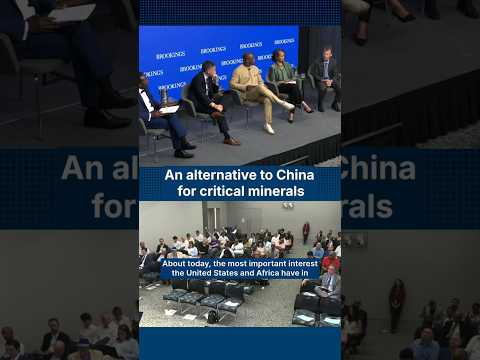
The reliance on China for APIs suggests that the US healthcare system is effectively an extension of its geopolitical risk profile. Policy must move toward 'reshoring' or 'friend-shoring' not just manufacturing, but chemical and metallurgical processing. The focus on Africa implies a new Great Game for mineral sovereignty, where the US must compete with Chinese infrastructure investments by providing genuine value-add processing opportunities rather than just extraction rights.
Evidence & Hype Audit
The content relies on the findings of a single academic report (Brookings) and anecdotal observations of Chinese behavior. It lacks quantified data regarding the scale of dependence or the comparative severity of different vulnerabilities. It is highly persuasive, framing the argument through a lens of national security, but it functions more as an expert opinion than an exhaustive analytical document.
Counterarguments
Critics might argue that China’s dependence on Western markets provides a 'mutually assured destruction' layer to the trade relationship, potentially discouraging extreme cutoff behavior. Furthermore, building domestic or African processing capacity is an expensive, multi-decade endeavor that may not solve near-term supply gaps.
Who Should Care
- Supply Chain Managers: Identifying single points of failure in pharmaceutical and mineral inputs.
- Foreign Policy Strategists: Developing African economic partnerships as a strategic hedge.
- National Security Analysts: Incorporating industrial-base vulnerabilities into defense planning.
What to do next
- Audit all critical medicine supply lines for API country-of-origin concentration.
- Identify specific critical minerals where Chinese export controls would cause immediate manufacturing stoppages.
- Evaluate the current processing capabilities in African partner countries to identify investment opportunities.
- Shift diplomatic focus toward long-term mineral processing partnerships rather than short-term purchase agreements.
- Run scenario-planning exercises for a six-month cessation of all Chinese mineral imports.