
Channel: Financial Times
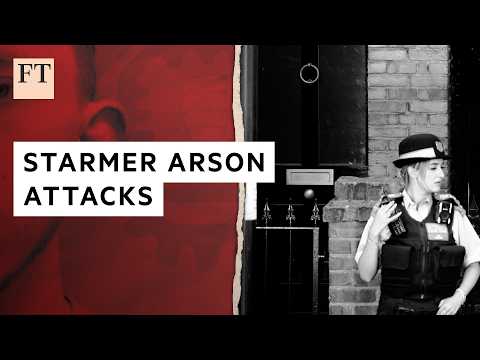
Arson attacks targeting Keir Starmer properties originated in Russia
The Signal
British authorities arrested 21-year-old Roman Lavrynovych in May 2025 for arsons targeting properties linked to Prime Minister Keir Starmer. Authorities and investigators allege this case reveals a Russian-led sabotage model that recruits vulnerable individuals via Telegram, grooming them through escalating tasks such as graffiti and fire-setting to maintain deniability while masking its origins behind fake British far-right personas.
The Case
- Roman Lavrynovych, a Ukrainian construction worker who lived with his grandmother, claims during police interviews that he never heard of Keir Starmer and identifies Vladimir Putin as a terrorist.
- Investigators allege Lavrynovych was recruited and paid over several months by a Russian-speaking Telegram handler known as "El Money," who systematically escalated his tasks from posting flyers to committing arson.
- The "Direct Action" group, which used Union Jack branding and anti-immigrant slogans, is described by an FT investigation as a deceptive front masking a Russia-based network that utilized AI and falsified identities.
- Operational traces reported in the investigation—including Cyrillic characters in English-language posts and Russian-time-zone markers—are cited as evidence that the network was coordinated from Russia despite its British-facing facade.
- One communication channel, allegedly connected to the broader "noname057(16)" hacking collective, reportedly shared bomb-making and knife-attack manuals while urging followers to "recruit, manipulate and burn Nato military infrastructure with someone else’s hands."
- Whether Lavrynovych understood the political nature of his targets or if he was a fully informed participant remains an unresolved dispute between his recorded denials and the investigation’s framing of him as a disposable proxy.
The 1 Minute Signal Take
The video offers a compelling look at the mechanics of state-sponsored proxy sabotage, moving beyond speculation to document concrete operational slips like time-zone leaks and traceable chat histories. While some broader claims about the "new face" of Russian disruption remain speculative, the evidence regarding the staged escalation of suspects is persuasive. Watch it if you want to understand how online exploitation translates into physical violence; the transcript’s details on the recruitment funnel are the core value here.
Time saved:
Channel: Financial Times