
Why It Matters
This case highlights the danger of 'thematic investing' combined with aggressive financial engineering. When a fund becomes a true believer in a technological narrative, it often ignores basic mechanical risks like leverage and liquidity, leading to sudden, catastrophic failure.
Strategic Implications
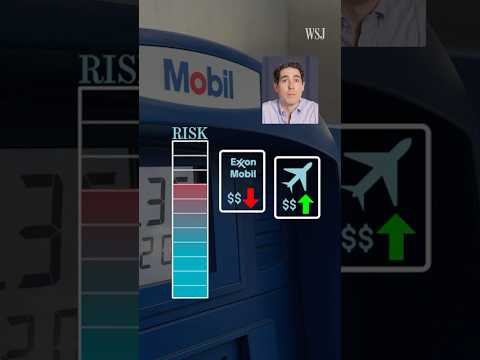
Investors often conflate 'high-conviction' with 'high-risk.' The fund's reliance on a Texas hedge suggests a psychological trap: believing that because one is 'smart' about a macro trend (AI adoption), one can afford to use unconventional or dangerous hedging tools. This effectively turns a speculative investment into a binary gamble.
Evidence & Hype Audit
The transcript provides a strong conceptual framework but lacks empirical rigor. It relies on anecdotal evidence about the fund’s strategy rather than audited performance data. It is a high-quality educational narrative but should be treated as a theoretical warning rather than a forensic audit.
Counterarguments
One could argue that the fund's strategy was not inherently flawed, but rather suffered from poor timing or exogenous shocks. If the AI thesis is correct, a leveraged bet could have produced outsized returns; the 'Texas hedge' might simply have been a misunderstood attempt at maximizing alpha in a high-growth sector.
Who Should Care
- Portfolio Managers: To audit for hidden exposure masquerading as hedges.
- Retail Investors: To recognize the risks of leverage and concentration in thematic AI funds.
- Risk Officers: To identify when 'hedging' terminology is being used to disguise increased risk.
What To Do Next
- Review current portfolios for 'hidden leverage' disguised as sophisticated strategy.
- Assess the liquidity of individual positions versus the volatility of the overall sector.
- Question the 'hedge' label: Does this position reduce my downside or double my exposure?
- Set strict limits on leverage for concentrated thematic bets.
- Stress-test the exit strategy for illiquid assets during a market panic.