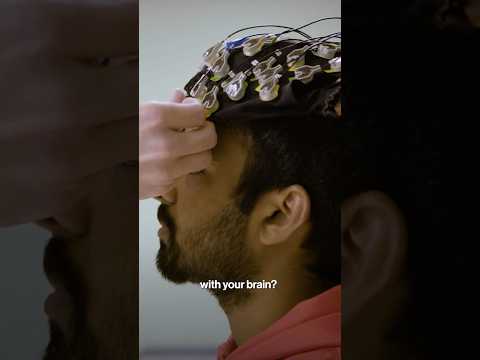
China’s Brain-Chip Startups Are Rushing to Commercialize BCI Tech

Video thumbnail: China’s Brain-Chip Startups Are Rushing to Commercialize BCI Tech
Jun 10, 20261m 11s video lengthBloomberg Originals

The Signal

Brain-computer interfaces (BCIs) are moving from speculative lab experiments to active clinical and commercial deployment, characterized by intense capital inflows—most notably $2.75 billion raised by U.S. firms like Neuralink. While the industry accelerates, the fundamental tension remains whether these devices can translate technical milestones into viable, real-world businesses that fulfill their immense promises.

The Case

  • China reached a significant regulatory milestone in March by approving its first BCI for commercial use, a move highlighting the nation's increasing, albeit underfunded, presence in the sector.0:37
  • Shanghai-based startup NeuroXESS is currently conducting a year-long trial involving a paralyzed patient, marking a transition from short-term demonstrations to sustained real-world testing.0:58
  • U.S. competitors maintain a massive funding lead over their Chinese counterparts, having aggregated $2.75 billion compared to only a fraction of that amount in China.
  • The narrator characterizes the field as advancing toward commercialization, though this assertion remains unproven as companies have yet to demonstrate successful, long-term commercial product deployment.0:15
  • Industry analysts concede that while BCIs show clinical promise, the most significant test is whether they can operate as reliable, scalable business services outside of controlled trial environments.

The 1 Minute Signal Take

The video succeeds in moving the conversation past the sci-fi spectacle to the actual bottleneck, which is market sustainability. While it overconfidently asserts that Chinese firms are "catching up fast" without providing rigorous evidence, the distinction between high-level U.S. fundraising and China's regulatory action is a useful frame. Watch it if you want to see the specific, real-world constraints currently facing neurotech startups; otherwise, this summary effectively captures the core developments.

Pro Analysis

Strategic Significance

The BCI industry is undergoing a maturation cycle where the focus is shifting from "does it work?" to "does it scale?". The entry of China as a regulatory participant suggests this is no longer a purely US-centric market, potentially accelerating the standardization and adoption of neurotech at a faster pace than localized innovation would allow.

Who Should Care

Health-tech investors should care because current funding levels are vastly disconnected from proven commercial revenue, posing a high risk of market correction. Clinical researchers and regulatory professionals should care because the transition to year-long trials highlights a fundamental change in patient risk profiles and validation requirements.

Contrarian Takeaway

Technical superiority at the level of brain-signal decoding might matter far less than the ability to manage the mundane friction of long-term deployment, maintenance, and user-interface ergonomics. If commercial viability is the bottleneck, the winner may not be the company with the best algorithm, but the one that solves the logistics of patient safety over time.

Share this

Tags