
Back to Feed
Putin's playbook - Sarah Paine
The Signal
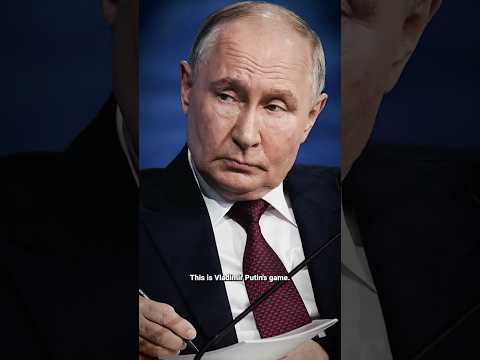
The speaker outlines a geopolitical theory where Russia, under Vladimir Putin, minimizes its risk by avoiding two-front wars and sequentially neutralizing neighbors through destabilization and targeted disinformation. This strategy, the video asserts, ultimately traps states like Russia and China in a recurring cycle of overextension that historically leads to imperial collapse.
The Case
- To avoid being ganged up on, the model mandates that a country never fight multiple fronts simultaneously, instead handling neighbors one at a time while waiting for them to weaken.
- Strategic destabilization is treated as a core tool; the speaker claims the state will "deluge them with fake news" to force neighbors into internal conflict, opening the door for later absorption.
- The transcript raises the unsettled question of whether the instability surrounding Russia and China is mere bad luck or a result of deliberate complicity by those states to create their own buffer zones.
- The speaker claims that "no enduring alliances" exist in this world because adjacent powers inevitably realize the threat posed by the hegemon and will eventually turn against it.
- A historical warning is provided: empires often implode because they lack an internal "council on when to quit," leading to an inevitable choking point where territorial acquisition becomes self-defeating.
The 1 Minute Signal Take
The video offers a compelling theoretical framework for understanding modern imperial behavior, though it relies heavily on assertion rather than verifiable evidence to link these tactics specifically to Vladimir Putin or to causality in complex historical collapses. It is worth watching for the concise articulation of this strategic logic, but it should be approached as a conceptual model rather than a documented breakdown of Kremlin doctrine.
Time saved:
Tags
Back to Feed