
Why It Matters
This content highlights the dangerous compression of the 'exploit lifecycle.' Where it once took months for research to become a functional attack, AI is now accelerating this path significantly. When you combine this with the sheer volume of legacy, end-of-life code exposed to the public internet, the result is a systemic fragility that standard patch management can no longer address.
Strategic Implications
The shift toward 'defense in depth' is no longer optional. Organizations must transition from reactive patching to an 'autonomous remediation' model. Furthermore, the reliance on under-resourced open-source foundations is a structural risk that enterprise-level leadership needs to address through consortia-style support rather than just individual software consumption.
Evidence & Hype Audit
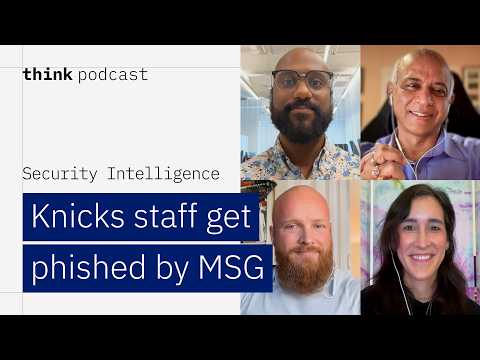
The content relies on reputable industry sources (CISA, Shadowserver, Arctic Wolf) rather than speculative claims. While the panelists occasionally offer anecdotal opinions—such as the net benefit of publicizing the MSG phishing test—they are transparent about the lack of definitive outcome data. The analysis is grounded in actionable, industry-standard cybersecurity best practices.
Counterarguments
Critics might argue that aggressive phishing simulations are the only way to break through 'user complacency.' From this perspective, the occasional disruption of a legitimate workflow is a small price to pay for preventing a catastrophic breach. Additionally, some might argue that focus on 'legacy PHP' is a distraction from newer, cloud-native attack vectors.
Role-Specific Takeaways
- Security Leaders: Shift budget from single-vendor tools to asset discovery and automated inventory management.
- IT Administrators: Formalize and communicate IT support channels so users have a clear, non-negotiable way to verify identity.
- End Users: Adopt a default 'skepticism-first' approach for any urgent request, regardless of the platform (Teams, Slack, or Email).
What to do next
- Audit your organization's external-facing PHP versions immediately.
- Disable external chat capabilities in collaboration tools if not strictly required for business.
- Implement and enforce strict DMARC, DKIM, and SPF policies to combat impersonation.
- Conduct a 'shadow IT' sweep to identify legacy systems that fall outside of standard patching cycles.
- Establish an 'out-of-band' verification process for all internal support requests.
- Shift training focus from 'spotting typos' to 'identifying social engineering patterns' like urgency and credential harvesting.