Jun 4, 20262m 6s video lengthCouncil on Foreign Relations
The Signal
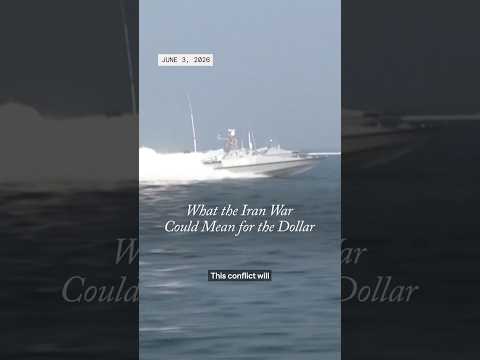
The speaker argues this unnamed oil-transit conflict serves as a catalyst for eroding petrodollar dominance, potentially initiating a “Petro Yuan” era. The core tension lies in whether, and how, the passage will be reopened—a decision the speaker views as a watershed moment for broader, multipolar currency fragmentation.
The Case
The speaker identifies the mechanism of the Strait’s reopening as strategically decisive, suggesting it could involve a new toll or fee arrangement instead of traditional U.S. military force.0:28
Prior, unverified reports cited by the speaker suggest that passage could be conditioned on payments in RMB or Bitcoin, which would force fundamental changes to current oil settlement practices.
The speaker proposes a model of differentiated oil pricing, wherein flows originating in the Gulf and bound for Asia—which he estimates account for 85% of regional exports—could shift to yuan settlement, while Western-bound flows remain dollar-denominated.1:04
This shift is framed as a direct challenge to the U.S. security umbrella, as an economic access regime would replace the necessity of direct U.S. military intervention to ensure transit.1:32
The speaker explicitly clarifies that he expects a move toward a mixed, multipolar currency environment rather than a full-fledged transition away from the dollar.
The 1 Minute Signal Take
The speaker’s thesis rests entirely on a speculative chain of events where hypothetical tolls lead to durable geopolitical shifts—claims that lack independent evidence in the transcript. While the logic of corridor-based currency fragmentation is internally consistent, it remains a projection. Watch only if you want to see the specific, albeit anecdotal, framework for how analysts are beginning to map a 'post-petrodollar' world; skip it if you are looking for confirmation of an established trend.
Pro Analysis
Strategic Significance
This marks a shift from a unipolar monetary structure to a geography-based, multipolar system. It signals a mov...