
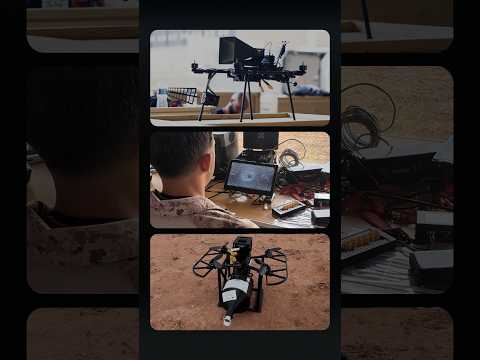
Why It Matters
This program represents a fundamental pivot in how the US handles tactical asymmetry. By adopting the 'Ukraine model' of rapid testing, the military is acknowledging that the traditional, multi-year procurement cycle is functionally obsolete for small-form-factor systems.
Strategic Implications
The shift toward a performance-based 'treadmill' model creates a harsh environment for vendors. Companies that survive this gauntlet will likely become the backbone of the next generation of US tactical drone swarms, but the requirement for domestic production suggests that success will require significant capital investment in US-based manufacturing infrastructure—a barrier that could exclude smaller, purely software-focused startups.
Evidence & Hype Audit
The content relies on statements from officials and on-the-ground observations. While the 'gauntlet' framework is clearly evidenced, the claims regarding 'accelerated' procurement and future price reductions remain forward-looking assertions. There is no hard data presented to verify if this method is cheaper or faster in aggregate than existing acquisition lanes.
Contrarian View
Critics might argue that this 'Shark Tank' approach risks prioritizing cheap, disposable hardware over the rugged, secure, and encrypted systems required for high-intensity peer-level conflict. There is also the risk that constant competition will prevent companies from focusing on long-term R&D, forcing them into a cycle of incremental updates just to maintain their spot on the treadmill.
Role-Specific Takeaways
- Defense Contractors: Prepare for recurring, high-stakes testing rather than one-time bids.
- Procurement Officers: Use mission-based failure rates as a primary filter for vendor selection.
- Policy Analysts: Watch for the 'made in America' transition timeline as a bellwether for the industrial base's capacity to pivot.
Action Items
- Audit existing drone fleets against the $4,000 price ceiling.
- Establish modular payload interfaces to accommodate various warhead types.
- Simulate high-interference environments to test communication resilience.
- Develop automated testing protocols to mirror the 120-mission gauntlet cycle.