
Why It Matters
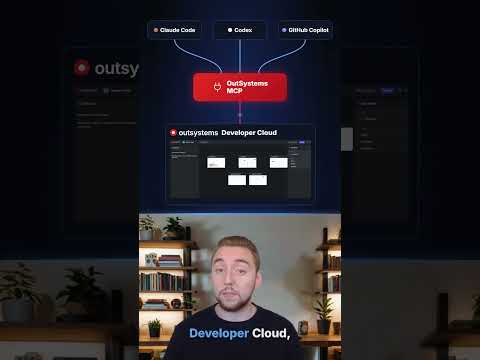
Developer productivity is currently plateauing as AI agents struggle to move from 'writing code' to 'maintaining systems.' The transition from source-only analysis to platform-aware reasoning is the necessary evolution to prevent agents from creating breaking changes in complex production environments.
Strategic Implications
This represents a shift toward 'platform-as-a-context-provider' for AI. By controlling the interface (MCP), the platform vendor dictates how the agent perceives the app, effectively centralizing the development ecosystem. This creates a moat where agents that have 'deep' platform integration will inevitably outperform those that only scrape repo-level code.
Evidence & Hype Audit
This is a feature-marketing demonstration. It makes strong, logical claims about integration but lacks independent verification or technical depth on how the underlying MCP protocol functions. It should be treated as a credible product capability demonstration rather than a proven industry standard.
Counterarguments
Critics might argue that deep platform-specific integration creates vendor lock-in. An agent that is 'too good' at navigating one proprietary platform will struggle to provide value in heterogeneous or multi-cloud environments, forcing developers to rely on the platform vendor's own specific tools.
Role-Specific Takeaways
- Engineers: Use this to shorten the feedback loop between writing code and diagnosing deployment failures.
- Tech Leads: Evaluate this as a potential replacement for siloed agent workflows that require manual verification.
What To Do Next
- Connect your existing agent to the platform's MCP endpoint.
- Run a diagnostic trace on a known broken build to see if the agent interprets the logs correctly.
- Map your current app dependencies to verify if the agent's 'view' matches your architecture.
- Check if your existing security protocols allow for third-party agents to act on your production data.