I Tested Opus 5.5 vs Sonnet 5.5

Video thumbnail: I Tested Opus 5.5 vs Sonnet 5.5
Oct 2, 20261m 9s video lengthNate Herk | AI Automation

The Signal

Opus and Sonnet 5.5 serve distinct roles in an AI workflow, with Opus providing greater creative structure for vague goals at a premium, while Sonnet excels at efficient, task-specific execution. The core tradeoff is that Opus costs roughly twice as much and runs significantly slower, often failing to provide proportionally better results.

The Case

  • In a landing-page test for Perk form, Sonnet ran in 28 minutes while Opus took 52 minutes and cost about double, leading the speaker to conclude the output quality was not twice as good.0:07
  • When prompted with an abstract, research-backed 90-day action plan for the subscriber-growth project "how they AI," Opus provided a more specific, task-oriented result than Sonnet.
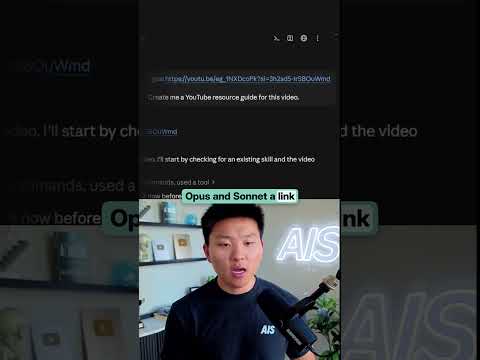
  • For skill-defined tasks like creating a YouTube resource guide from a video link, Sonnet is the pragmatic choice because it is twice as fast and $140 cheaper while matching Opus’s quality.0:40
  • The speaker’s practical rule is task-dependent: use Sonnet when you know exactly what you want and have a clear definition of what "good" looks like, but pivot to Opus for open-ended ideation.0:58
  • These findings are based on small, example-driven comparisons rather than a rigorous rubric, meaning the universal rule for model selection remains unsettled.

The 1 Minute Signal Take

Treat the choice between Opus and Sonnet as a trade-off between creative depth and raw efficiency rather than a hierarchy of intelligence. If you can define the task clearly, Sonnet’s speed and cost advantage make it the superior tool for most operational work.

Pro Analysis

Why It Matters

The comparison between Opus 5.5 and Sonnet 5.5 highlights an increasingly important reality in the AI landscape: the marg...
Full analysis always available on Pro.

Share this

Tags

Written by: 1 Minute Signal Editorial Team