
Why It Matters
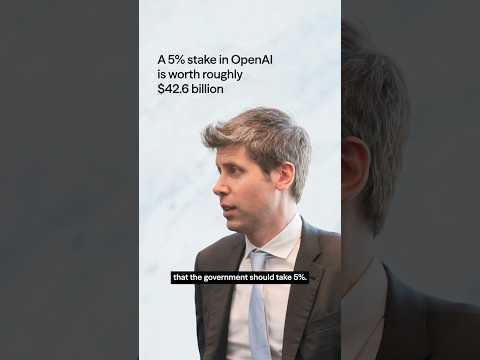
The shift toward government-as-shareholder represents a departure from market-based capitalism toward a directed, state-influenced model. It creates a 'regulatory capture in reverse,' where the state uses its investment power to dictate private business outcomes, ultimately threatening competitive neutrality.
Strategic Implications
- Contract Steering: Firms with government equity will likely receive preference in federal procurement, creating a 'winner-take-all' environment for preferred contractors.
- Policy Uncertainty: Because there is no clear theory of governance for these stakes, companies participating in these arrangements face long-term risk if political administrations change.
Evidence & Hype Audit
The content relies on unverified assertions. The claim that only one-third of the $122 billion was raised is a significant allegation without cited financial documentation. Similarly, the 'Intel precedent' is presented as an anecdotal occurrence of political pressure rather than a formal policy directive. The analysis is intellectually provocative but lacks the evidentiary weight required for high-level financial risk assessment.
Counterarguments
One could argue that in the face of intense global competition—particularly from state-guided models like China—the U.S. government has no choice but to use its capital to prevent the collapse of strategic pillars like Intel or the atrophy of AI development.
Who Should Care
- Institutional Investors: Need to assess the 'political premium' or discount associated with state-entangled companies.
- Policy Makers: Should demand a clear, documented theory of why equity stakes are superior to tax incentives or grants.
What to Do Next
- Compare contract wins of government-backed firms vs. peers.
- Press for transparency regarding formal board roles or influence agreements linked to these stakes.
- Evaluate if 'strategic support' is becoming a proxy for avoiding market failures.
- Watch for potential 'quiet' divestments if these stakes fail to yield the promised political or industrial returns.