
- The US is currently a fossil-fuel energy exporter, but this does not shield its domestic consumers from the volatility of international oil markets.
- Early conflict data indicates that fossil-fuel usage dropped in the first month as renewables rapidly filled the gap, challenging the assumption that nations defaults immediately to coal.
- US EV demand failed to surge during the price shock because of a 'toxic mix' of policy instability, manufacturer capital flight, and lack of lower-cost competitors.
- Solar manufacturing currently faces a 'glut' of global capacity, meaning despite the urgent need for local energy, the industry is struggling through a demand-constrained 'off-season.'
How the Worst Oil Crisis in History is Backfiring
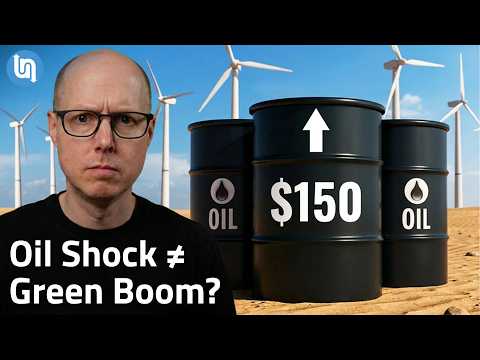
The ongoing disruption at the Strait of Hormuz has created a historic oil price shock, forcing a complex global re-examination of how immediate energy security concerns balance against long-term climate transition goals.
Key Takeaways
- The Strait of Hormuz crisis has triggered the most severe oil supply shock in history, exposing the systemic fragility of global fossil-fuel reliance.
- While clean energy is increasingly cost-competitive, the war does not guarantee rapid adoption; energy security often forces nations to prioritize short-term fossil-fuel stability over long-term decarbonization.
- Regional responses are highly divergent: the EU is accelerating electrification, whereas US adoption is currently hampered by policy shifts, industry divestment, and restrictive market barriers.
Talking Points
Pro Analysis
Strategic Significance
The crisis forces a decoupling of the concepts of 'energy security' and 'emissions reduction.' Strategically, thi...
Full analysis always available on Pro.
Time saved: