
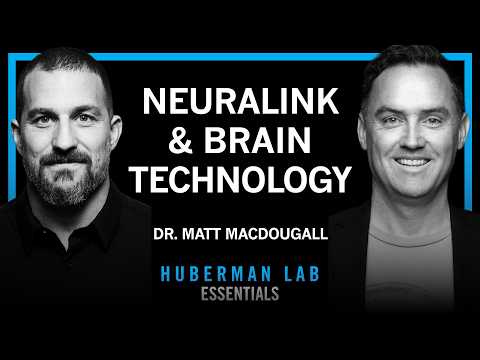
Why It Matters
Neuralink represents the most prominent attempt to bridge the gap between human intent and digital execution. By focusing on the 'motor-intention bottleneck,' the project aims to solve the most pressing accessibility challenges for patients with total physical paralysis. If successful at scale, this technology could define the next era of neuro-prosthetics.
Strategic Implications
The reliance on robotic surgery shifts the bottleneck of neuro-interventions from 'surgeon skill' to 'hardware reliability.' This potentially democratizes neurosurgery if the procedure becomes sufficiently standardized, but it also creates a single point of failure in the proprietary robotic platform.
Evidence & Hype Audit
- High Integrity: The core medical mission (mouse/keyboard control) is transparent and scientifically grounded in known BCI principles.
- Hype Risk: Assertions about future 'thought-to-thought' communication or safety superiority are largely aspirational. The transcript lacks independent data or comparative clinical stats to validate these superlative claims.
Counterarguments
Critics argue that the focus on invasive implants ignores non-invasive BCI advancements that carry zero surgical risk. Furthermore, the long-term ethical implications of 'multi-brain' integration or AI-cognitive embedding are currently unaddressed in the development roadmap.
Who Should Care
- Medical Tech Investors: Watch for FDA clinical trial results.
- Bioethicists: Focus on the implications of long-term human augmentation.
- Robotics Engineers: Note the specific demand for high-precision, automated surgical tasks.
What To Do Next
- Review published FDA clinical trial disclosures for the Neuralink device.
- Research current benchmarks for non-invasive (EEG-based) brain-computer interfaces to compare efficacy.
- Track the development of biocompatible materials that extend the life of chronic neural implants.
- Investigate the ethical frameworks proposed for potential future human augmentation devices.