
Strategic Significance
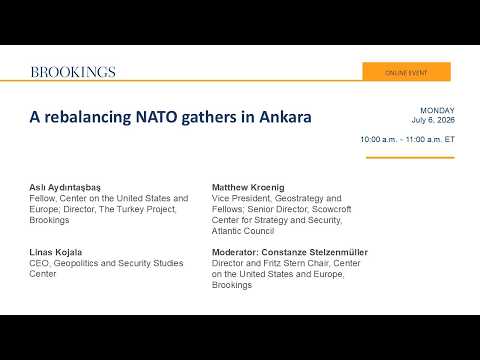
The shift toward a Mediterranean-focused strategic hinge suggests that NATO is finally acknowledging it cannot look only toward the Baltic frontier. Turkey’s forced-centrality is a direct outcome of its geographic gatekeeping, creating a complex dependency that the U.S. and EU are ill-equipped to manage diplomatically.
Hype vs. Evidence
Much of the 'stronger NATO' narrative is supported by concrete budget data and brigade deployments. However, the claims regarding 'advanced nuclear discussions' remain speculative and low-confidence. Analysts should view the Ankara summit’s outcome as a symbolic floor, not a ceiling; the divergence between institutional rhetoric and on-the-ground procurement reality is wide.
Counterarguments
Critics argue that the burden-shift obsession is a strategic error. If Europe succeeds in rearming while the U.S. continues to signal isolationism, NATO may inadvertently facilitate a decoupling that leaves the Continent vulnerable if the U.S. umbrella evaporates during a future political cycle.
Future Actions
- Standardize drone and anti-sabotage capabilities to match Russian asymmetric pressure.
- Establish a clear, unified European negotiation framework for any future peace talks.
- Reform EU procurement to reduce the 'peacetime' bureaucracy slowing defense industry scaling.
- Continue the permanent basing of multinational brigades to solidify the eastern tripwire.
- De-escalate the Greenland sovereignty rhetoric to repair foundational alliance trust.