How metered intelligence changes swe

Video thumbnail: How metered intelligence changes swe
Aug 11, 20269m 18s video lengthJaymin West

The Signal

Software engineering is shifting from flooding codebases with LLM-generated changes—which incurs high costs and messy output—to building infrastructure that routes intelligence to specific areas on demand. This approach, framed as moving from a "flood" to "pipes," promises greater control and efficiency by treating agent interactions as a manageable, metered resource.

The Case

The Architectural Shift

  • The current workflow typically involves either flooding a codebase with agents or manually steering them through individual conversations, the latter of which becomes labor-intensive and unsustainable at scale.0:48
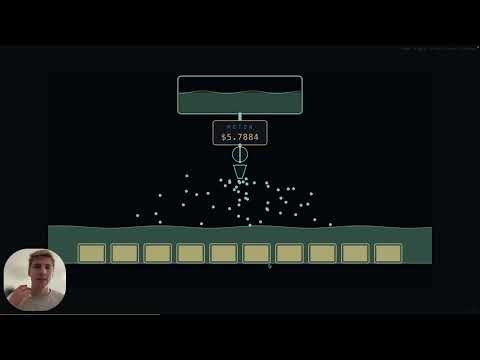
  • The proposed solution is a "routed" system where persistent pipes send intelligence to specific sections of a codebase, allowing engineers to toggle assistance on or off as needed.2:37
  • Because this routing infrastructure dictates where intelligence flows, the speaker argues the specific model provider—whether OpenAI, Anthropic, or local open-weight models—becomes secondary to the orchestration system.3:08

The Warren Control Plane

  • Warren, a project the speaker is building, acts as a control-plane system that logs every token, tool call, file edit, and agent-made change to function as a "system of record."4:48
  • The speaker asserts that capturing this telemetry from their history of roughly 200 runs allows for a feedback loop that makes agent behavior transparent and operationally actionable.5:40
  • By analyzing where agents consistently struggle, such as in complex database layers, the system aims to automate improvements to documentation, linting rules, and memory design for future runs.6:16

Reality Check

  • The speaker explicitly states that this intelligent plumbing and analytics dashboard are currently theoretical and remain to be built in the coming weeks.8:36
  • While the speaker claims this system is the "cheapest" way to ensure agent accuracy and provides "full control," these benefits are not yet demonstrated or supported by comparative data.7:44

The 1 Minute Signal Take

This is an aspirational framework for moving from ad hoc agent scripting to a rigorous, instrumented software factory. While the promise of a closed-loop system for refining agent behavior is compelling, its actual efficacy remains unproven until the described telemetry and routing infrastructure are fully implemented.

Pro Analysis

Why it Matters

This approach signals a move toward professionalizing agentic software engineering. By treating agent activity as a forma...
Full analysis always available on Pro.

Time saved:7m 28s

Share this

Tags

Written by: 1 Minute Signal Editorial Team