
Why It Matters
Nvidia’s role in the global economy has shifted from a peripheral graphics card maker to the fundamental infrastructure layer for the entire AI sector. When the entity providing the primary means of production for modern intelligence is viewed as a systemic risk, the entire industry faces a potential political and regulatory cliff. This dialogue is the first step in Nvidia’s defense against a potential "too big to fail" regulatory stigma.
Strategic Implications
Nvidia is attempting to "de-risk" its brand by decentralizing the definition of victory. By insisting that AI success must be a national project involving many companies, Huang is trying to make it difficult for regulators to target his firm without simultaneously hurting the broader domestic AI initiative he has now championed.
Evidence & Hype Audit
This content is high-level corporate messaging. It is light on data and heavy on framing. Huang’s assertion that Nvidia works with "every AI company in the world" is a powerful rhetorical device but lacks verification or specific qualifiers. The claims are internally consistent, but they should be viewed as strategic positioning rather than objective industrial analysis.
Counterarguments
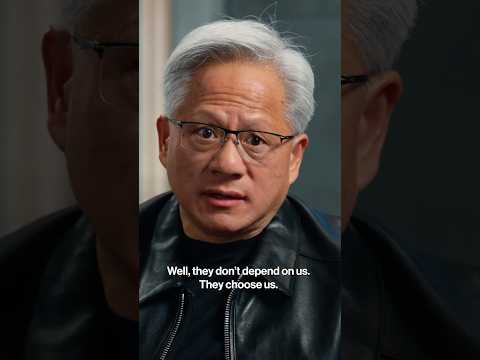
Critics would argue that "choosing" a supplier in an oligopolistic market is a false choice. If the cost of switching away from Nvidia’s hardware-software ecosystem is prohibitive or causes significant performance degradation, the customer is effectively locked in, regardless of the rhetorical "choice" involved.
Role-Specific Takeaways
- Investors: Pay attention to the "capability vs. willingness" framing; if regulatory pressure increases, the ability to deploy AI safely may be mandated, potentially increasing operational costs.
- Policy Makers: The invitation for dialogue suggests an opening to shape the company’s behavior through formal engagement rather than litigation.
- Competitors: Nvidia’s focus on the "whole pond" suggests they are not looking to kill off competitors, but rather to expand the total addressable market to maintain their dominant percentage.