
Why It Matters
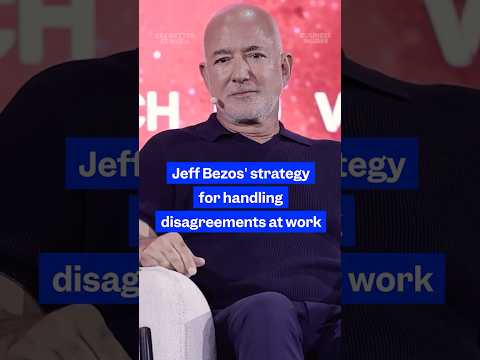
This strategy is a pragmatic solution to a common organizational failure: the tendency for team members to subconsciously (or explicitly) undermine projects they did not vote for. By institutionalizing the act of 'committing' despite disagreement, companies can maintain the speed required for innovation without sacrificing the benefit of diverse, critical input.
Strategic Implications
Organizations that adopt this culture gain the ability to iterate faster because they eliminate the post-decision 'wait and see' period. It forces employees to be more effective in their pre-decision advocacy, knowing that their 'dissent budget' expires as soon as the final choice is made.
Evidence & Hype Audit
This content leans on authoritative anecdotes from tech leadership. It is not supported by quantitative data, but rather presented as a normative 'best practice' derived from high-performing corporate cultures. It is effective for management theory but lacks empirical testing evidence.
Counterarguments
Critics might argue that this approach risks 'groupthink' or compliance-driven silence. If the leadership is consistently wrong, an 'only commit' culture could accelerate an organization into a failed strategy without providing a mechanism for course correction after the initial decision.
Role-Specific Takeaways
- For Managers: Use this to clear bottlenecks by explicitly declaring when the 'debate period' ends.
- For Individual Contributors: Treat your opposition as a project-enhancing tool rather than a personal stance, and know when to fold your hand to support the group.
What to Do Next
- Identify one project where you are currently holding back support due to lingering disagreement.
- Determine if the window for influencing that decision is closed.
- Schedule a conversation with leadership to ask what specific actions are needed from you to ensure the project succeeds.
- Monitor your internal reaction to future decisions and consciously shift from 'critic' to 'collaborator' once the final path is chosen.