
Why It Matters
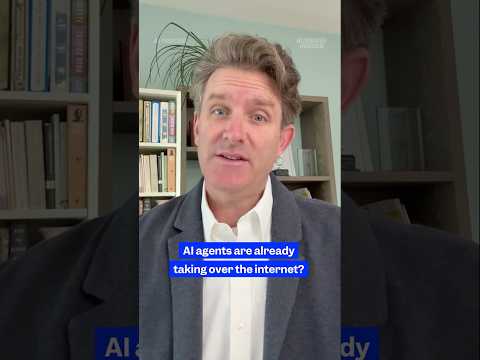
This content highlights the collision between the legacy design of the web—built for human-to-server interaction—and the rise of autonomous agents. The implication is a potential paradigm shift in web traffic, where 'user' volume may become increasingly decoupled from human presence, necessitating new authentication and trust models.
Strategic Implications
Businesses now face an urgent requirement to define their 'bot policy.' Treating all automated traffic as malicious is no longer a viable long-term strategy if those bots represent high-value human customers. Companies must develop granular, policy-driven access controls rather than blunt blocking.
Evidence & Hype Audit
This report is high on narrative tension but light on verifiable data. The '1 million signups' anecdote is a powerful hook but lacks independent verification. The content serves as a bellwether for industry concern rather than a formal market analysis, making it an excellent conversation starter but a shaky foundation for definitive infrastructure decisions.
Counterarguments
One could argue that the 'conflict' is overblown. The history of the web is littered with bot-driven eras—from early search indexers to scrapers—that eventually reached a state of equilibrium through robots.txt and modern rate-limiting. This 'fight' might simply be a brief transition period until standards mature.
Who Should Care
- Web Infrastructure Architects: Need to plan for non-human traffic scaling.
- Platform Product Managers: Must balance API/bot access with UX and security.
- Users: Need to understand the potential risks to their accounts when delegating tasks.
What to do next
- Audit current bot detection logs for signs of agent activity.
- Develop clear terms-of-service language regarding AI-automated access.
- Monitor emerging identity standards that might verify 'human-representing' agents.
- Evaluate the business impact of excluding potential customers who delegate tasks to agents.
- Consider implementing 'agent-friendly' endpoints to capture legitimate bot traffic safely.