
Why It Matters
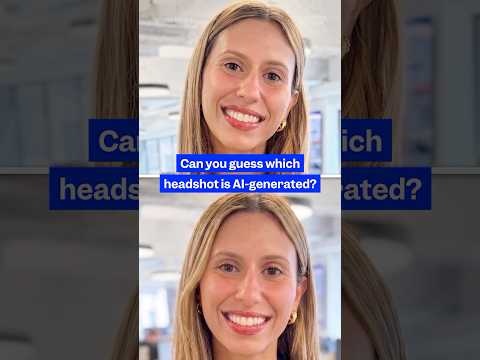
Professional identity is undergoing an existential shift. As AI tools lower the friction for creating 'idealized' versions of ourselves, the value of a verifiable, authentic photo increases. This transition affects not just entry-level candidates, but the entire reputation-based economy of platforms like LinkedIn.
Strategic Implications
We are moving toward a 'trust-tax' model where highly processed images may be flagged internally by recruiters as potential red flags for deception. Corporations may eventually need verification markers for profile photos to distinguish between reality and synthetic generation.
Evidence & Hype Audit
This content is high-signal but limited in scope. It relies on a single, non-verified user experiment. While the cautionary advice from branding experts is sensible, it remains an anecdotal warning rather than a data-backed study of hiring outcomes. It is useful as a heuristic, not a scientific proof.
Counterarguments
Some argue that in a crowded digital marketplace, aesthetic optimization is necessary to secure initial attention. Proponents might claim that as AI becomes ubiquitous, the 'authenticity' argument will fade in favor of generic, high-quality digital assets.
Who Should Care
- Job Seekers: Must weigh the trade-off between profile click-through rates and recruiter skepticism.
- Recruiters: Need to calibrate their internal filters for evaluating candidate profile images as synthetic content proliferates.
- Personal Branding Coaches: Must update their playbooks to distinguish between 'helpful' and 'harmful' use of generative AI tools.
What to do next
- Analyze your current headshot for 'uncanny' features that suggest heavy alteration.
- Check if your profile photo is identifiable if you were to meet a contact for a coffee meeting today.
- If using heavy AI, consider supplementing your profile with a video introduction to establish verifiable human presence.
- Prioritize professional lighting and high-resolution photography over generative 'editing' tools.
- Monitor platform policy updates regarding synthetic media labeling requirements.