
Why It Matters
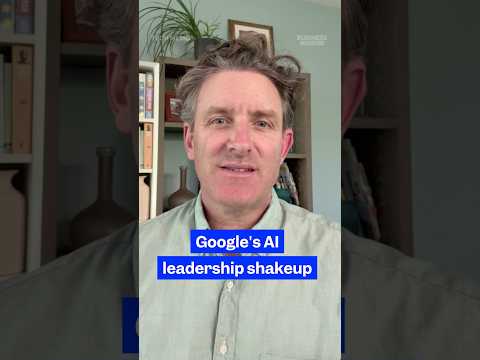
This organizational pivot highlights the tension between professional management and visionary research in the AI era. Google is attempting to solve a competitive lag by betting on individual genius rather than institutional processes.
Strategic Implications
Google is prioritizing a 'long-horizon' research win over immediate operational stability. By separating Hassabis from DeepMind operations, Google is signaling that its existing product structure needs to stand on its own while it bets the farm on a new scientific breakthrough to leapfrog competitors.
Evidence & Hype Audit
- Trustworthy: The core facts (the role change, Jeff Dean's departure, stock impact) are verifiable.
- Hype-prone: The framing that this will 'fix' Google’s competitiveness is speculative. There is no guarantee that even the best scientist can force a breakthrough on a timeline required by current market pressures.
Counterarguments
Critics might argue that leadership requires operational integration. By removing Hassabis from product decisions, Google may create a 'silo' where brilliant research fails to reach commercial products effectively, widening the gap between R&D and revenue.
Who Should Care
- Investors: Monitor if this pivot produces specific, time-bound technological breakthroughs.
- AI Researchers: Watch for shifts in publication volume and research focus from DeepMind.
- Competitors: This suggests Google is not looking to play 'catch up' with existing methods, but is instead looking to 'reset' the board with new science.
What to do next
- Audit current R&D to product hand-off velocity.
- Monitor talent retention metrics at the senior engineering level.
- Track the release date of the next flagship model as a proxy for execution capability.
- Evaluate if the chief scientist role includes decision rights over commercial AI strategy.