What's Wrong With Germany?

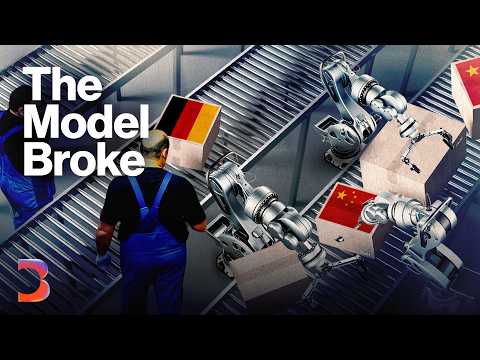
Video thumbnail: What's Wrong With Germany?
Aug 21, 202612m 30s video lengthBloomberg Originals

The Signal

Germany’s economic model—built on cheap Russian energy, open global trade, and industrial leadership—is experiencing a structural breakdown. With industrial output falling since 2018 and GDP trailing peer nations by 6-7%, the country is grappling with whether its manufacturing engine can be reinvented or if it faces a lasting decline.

The Case

  • Germany’s three traditional pillars of growth have weakened simultaneously: Russian gas supply—which once met half of national demand—vanished, global trade has turned protectionist, and former customers like China have become aggressive competitors.3:14
  • The chemicals sector serves as a concrete indicator of this strain, with nearly 10% of European capacity earmarked for closure between 2022 and 2025; BASF’s historic Ludwigshafen site now employs fewer than 30,000 people for the first time since the 1950s. ### Competition and Policy4:09
  • China has moved from a reliable customer to a direct rival in core sectors like machinery and electrical engineering, evidenced by a 30% drop in German vehicle exports to China last year and a widening trade deficit.5:42
  • Chancellor Friedrich Merz — who took office as Germany faces stagnation — loosened the national debt break last year to fund a major defense and infrastructure package, though its long-term efficacy in restoring growth remains untested.8:36
  • Germany is caught in a feedback loop where economic decline feeds political fragmentation, which in turn paralyzes the consensus needed for industrial reform.10:22

The 1 Minute Signal Take

Germany’s industrial crisis is less a cyclical downturn and more a fundamental loss of the competitive advantages that underpinned its decades of growth. While record-high stock markets and new spending offer a glimmer of hope, the path to retooling for an era of expensive energy and Chinese manufacturing dominance remains unproven.

Pro Analysis

Why It Matters

Germany’s economic health is the primary determinant of Eurozone stability. Its integrated supply chains mean that indust...
Full analysis always available on Pro.

Time saved:10m 57s

Share this

Tags

Written by: 1 Minute Signal Editorial Team