
Back to Feed
What do Gen-Z socialists really want? | The Economist
The Signal
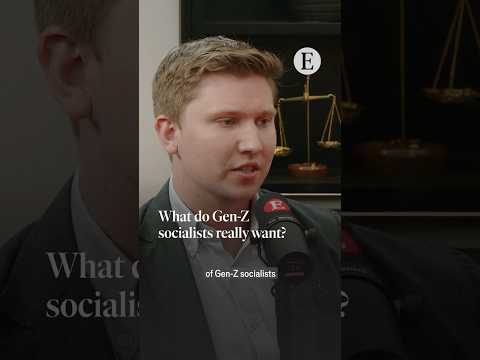
Gen-Z socialism is defined here as a collection of traditional left-wing priorities, such as wealth and rent taxes, packaged with a strategic, individualized focus on immediate personal financial relief. The primary tension lies in whether this represents a meaningful, self-interested ideological shift—what the speaker calls "selfish socialism"—or simply a pragmatic evolution in how the left communicates with younger voters around grievances like the war in Gaza.
The Case
- The speaker claims that current socialist messaging has transitioned from broad-spectrum tax increases to an "it's not you, it's the billionaires" model, explicitly promising to fund programs by taxing the ultra-wealthy while shielding ordinary taxpayers.
- Gaza is framed not just as a standalone cause but as a "gateway" issue; organizers like Zack Polanski, a Green Party London Assembly member, are described as using engagement on Palestine to recruit young, passionate voters into a broader agenda of economic and social reform.
- The speaker contends the movement is less collectivist than the older left, characterized by demands like "lower my rent now" and a focus on what the state can do for the individual, rather than broader social transformation.
- While the speaker cites undisclosed data to claim that voters who care deeply about Palestine have also shifted further left on other core policy issues, they acknowledge that Gaza is not considered a top electoral priority for most voters at large.
The 1 Minute Signal Take
The video offers a sharp, strategic look at how leftist messaging is evolving to target the specific anxieties and moral priorities of younger voters. While the "selfish socialism" label is an interpretive characterization by the speaker, the observation of issue-funneling is compelling and better supported by the examples given. Watch it if you want to understand the tactical shift in how political movements recruit; skip it if you are looking for a comprehensive, non-partisan policy analysis.
Time saved:
Tags
Back to Feed