
Why It Matters
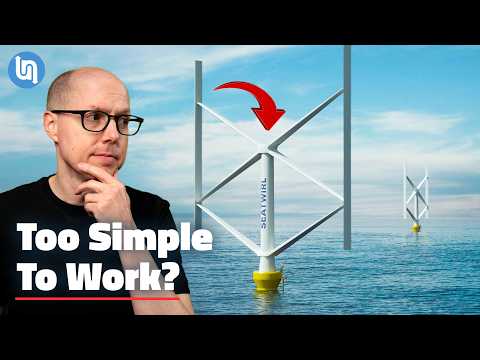
Offshore wind is the next frontier for global energy, but the physical constraints of fixed-bottom turbines effectively cap growth. If SeaTwirl’s floating VAWT design succeeds in reducing the maintenance burden of offshore installations, it could theoretically unlock vast swaths of deep-water wind potential currently considered too risky or expensive to operate.
Strategic Implications
SeaTwirl is positioning itself as a modular, low-infrastructure solution. Their strategy pivots away from trying to out-perform horizontal turbines in pure power output, focusing instead on the total cost of operation—shipping, installation, and catastrophic component failure. If successful, this creates a 'low-complexity, high-availability' category of generation optimized for remote or harsh environments.
Evidence & Hype Audit
This content presents a balanced, albeit skeptical, look at a high-risk engineering venture. The host acknowledges that data is sparse, explicitly noting the absence of public Levelized Cost of Energy (LCOE) figures. The critique of VAWT efficiency is rooted in industry reality, not hype, making the skepticism highly credible. The primary 'hype' comes from company-provided marketing claims which are clearly flagged as unverified.
Counterarguments
The most compelling argument against this model is the 'efficiency gap.' In a world where every watt of captured wind matters for profitability, a 25% efficiency penalty is a massive hurdle. Even if SeaTwirl slashes maintenance costs, those savings may be erased if the turbine simply cannot generate enough revenue per square meter of ocean space compared to massive, high-efficiency horizontal installations.
Role-Specific Takeaways
- Project Developers: Look at the S2x license cancellation as a warning regarding regulatory and framework risk in international waters.
- Energy Investors: Focus on the 'Verti-Go' demonstration; look specifically for capacity factor and uptime data, not just LCOE projections.
- Grid Operators: Consider the potential for this design to be deployed in microgrids where traditional, hard-to-maintain infrastructure is inaccessible.
What To Do Next
- Verify all future performance claims against independent, third-party data from the 2029 'Verti-Go' project reports.
- Compare the maintenance downtime of the S1 test unit against average offshore floating HAWT repair intervals.
- Evaluate the specific site-permitting challenges associated with deeper water mooring for potential project locations.
- Conduct a comparative analysis of the material fatigue lifespan between traditional spar foundations and SeaTwirl’s current design.