
Why It Matters
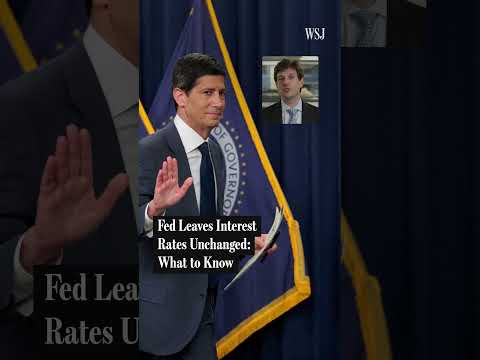
This decision represents a high-stakes balancing act. The Fed is essentially betting that the economy can handle the current restrictive stance while simultaneously acknowledging that inflation remains uncomfortably high. The shift from treating AI as an isolated, 'rate-proof' phenomenon to a potentially debt-sensitive sector marks a critical evolution in how the Fed views the transmission of its policy.
Strategic Implications
For investors and policymakers, the 'wait-and-see' approach creates a short-term window of volatility. If the Fed confirms that AI growth is indeed tethered to interest rates, any future hike could trigger a sharper market correction than previous models predicted. The reliance on 'incoming information' makes every major data release until December 9 a potential catalyst for significant policy shifts.
Evidence & Hype Audit
While the procedural facts (the pause and the dissents) are highly reliable, the commentary on AI financing and broader economic growth is interpretive. The speaker acknowledges that these are assessments of remarks by others, rather than confirmed Fed policy stances. Investors should be wary of the 'broader growth' claim, which remains an assertion without provided quantitative evidence.
Counterarguments
The primary counter-narrative is that the Fed may be underestimating the structural shift AI brings to productivity. If AI-driven efficiency gains are real, they could allow the economy to grow without fueling inflation, rendering the Fed's traditional focus on cooling demand counterproductive or even outdated.
Who Should Care
- Fixed Income Investors: Need to recalibrate their outlook for the December meeting.
- Tech Sector Executives: Should monitor their debt-to-equity ratios closely as the Fed shifts its view on AI financing.
- Macro Analysts: Should track if AI-related capex starts to decelerate under the weight of higher rates.
What to Do Next
- Model potential scenarios for a December rate hike in your portfolio strategy.
- Follow upcoming corporate earnings calls for commentary on financing shifts in AI projects.
- Evaluate the sensitivity of your specific asset classes to potential shifts in Fed policy transmission.
- Monitor geopolitical developments in Iran as a potential tail-risk for oil prices and inflation.
- Review historical precedents of how the Fed handles 'data-dependent' pauses during periods of high, sticky inflation.