
Channel: The Wall Street Journal
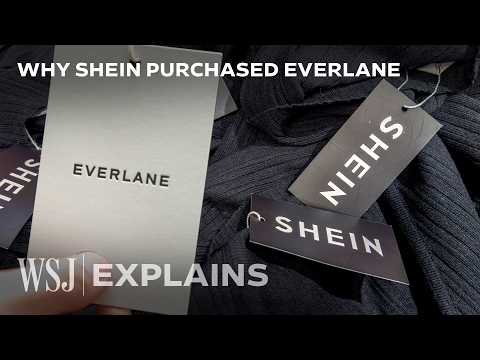
Why Everlane’s Sale To Fast-Fashion Giant Shein Is Rattling Customers
The Signal
Everlane, an early pioneer of direct-to-consumer apparel marketed on "radical transparency" and ethical basics, has been acquired by the ultra-fast-fashion giant Shein. This acquisition forces an explicit clash between Everlane’s moral retail branding and the controversial, low-cost operational model of its new parent company, leaving the sincerity of the brand’s original mission as a point of intense speculation.
The Case
- Everlane built its reputation as a poster child for mission-driven retail, promising customers full disclosure on how clothes were made and what they cost to occupy a middle ground between luxury and mall-brand quality.
- The acquisition by Shein — a company that ignores the "slow fashion" movement in favor of rapidly churning out items that mirror online trends — creates a sharp contradiction for a brand that used moral positioning as its primary value proposition.
- Recent financial pressure appears to be a key driver for the deal, as Everlane continued to expand despite reports of accumulating debt, placing it among a wave of internet-native brands now failing, selling, or pivoting.
- The transcript links this transition to broader macroeconomic realities, with participants asserting that consumers gravitating toward cheap, disposable fashion are reacting to a period where, as one interviewee noted, "things are more expensive than they’ve ever been."
- The narrative surrounding the sale is heavily speculative; while the Everlane CEO claims the company will remain independent and committed to its values, critics argue the acquisition signals the end of a specific generation of moral-consumerism startups that lacked sustainable business models.
- Shein, which remains under scrutiny from global regulators and environmental watchdogs for its production practices, provided no comment on the deal.
The 1 Minute Signal Take
The acquisition is a clear case of economic reality outlasting marketing idealism, making the brand's original "radical transparency" promise appear as little more than a temporary phase of its growth trajectory. The video effectively connects this specific deal to a wider industry trend, though it relies on speculation regarding the deeper motivations of the parties involved. Skip it: the summary covers all critical arguments and the symbolic weight of the shift.
Time saved:
Channel: The Wall Street Journal