
Why it Matters
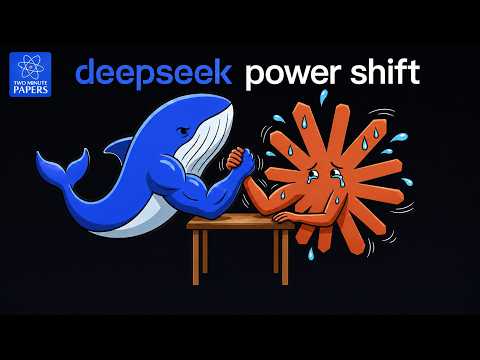
DeepSeek's release is a bellwether for the 'post-pre-training' era. By demonstrating that substantial intelligence gains are extractable from post-training and distillation, they have lowered the barrier to entry for high-performance models, effectively putting a 'ceiling' on the perceived value of massive base-model training runs.
Strategic Implications
For developers and researchers, this release signals that the moat surrounding 'frontier' models is narrowing. The shift toward open weights means that proprietary labs can no longer count on model exclusivity to maintain market share; they must instead compete on managed hosting reliability, latency, and ecosystem integration.
Evidence & Hype Audit
- Strengths: The claims regarding distillation and multi-token drafting are grounded in established modern techniques.
- Weaknesses: The '78% speedup' and the Rubik's Cube performance gap are essentially marketing metrics and anecdotal demonstrations. Without a rigorous, third-party benchmark suite, these should be viewed as directional rather than definitive.
Counterarguments
Critics might argue that even with open weights, the 'actual' model is unreachable for 99% of the population due to extreme VRAM requirements. Thus, the competitive pressure on frontier labs may be more theoretical than practical until hardware costs plummet further.
Who Should Care
- Cloud Infrastructure Providers: Must prepare for rapid, distributed hosting of high-compute models.
- AI Researchers: Should pivot focus toward distillation and post-training specialist models.
- Enterprise Decision Makers: Need to reassess lock-in risks associated with proprietary API providers.
What to Do Next
- Conduct a cost-benefit analysis on self-hosting versus third-party hosting for your current inference needs.
- Experiment with the DeepSeek 4 Pro weights for domain-specific tasks to measure if distillation performance meets production requirements.
- Monitor the emergence of new 'agentic harness' frameworks that optimize these open-weight models for autonomous tasks.
- Evaluate your dependency on current frontier labs and identify which workflows could be migrated to open-weight alternatives.