Local Journalists Webinar: Powering AI: Local Impacts of the Data Center Boom

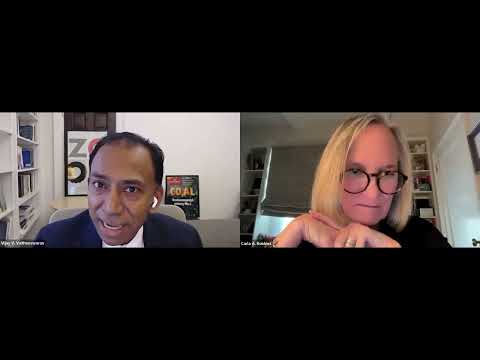
Video thumbnail: Local Journalists Webinar: Powering AI: Local Impacts of the Data Center Boom
Sep 17, 202655m 50s video lengthCouncil on Foreign Relations

The Signal

Data-center development is currently fraught with public opposition and grid-planning uncertainty, yet a significant portion of the announced pipeline may be speculative and ultimately unbuilt. The central tension lies in whether these facilities act as flexible grid assets that lower residential rates or as opaque burdens that prioritize corporate expansion over local infrastructure health.

The Case

The Speculative Boom

  • Many announced data-center projects are likely exaggerated or speculative, with estimates suggesting only 10% to 33% of listed facilities will ever break ground due to slow approvals and multiple-bid hedging.25:30
  • Experts advise that public-record pipelines should be heavily discounted, as developers often place multiple bets in different markets, culling projects only as financing or local opposition solidifies.24:38

Grid Impacts and Governance

  • While critics argue that data centers drive rate increases and grid strain, proponents like Vijay Vethiswaran — a Council on Foreign Relations senior fellow — contend that flexible, grid-responsive facilities can spread fixed costs and lower average energy prices.12:30
  • The most effective governance models require facilities to return power to the grid during peak demand, a practice demonstrated by a Microsoft facility in Ireland that provides grid support monthly.48:52
  • Transparency remains a primary flashpoint; secrecy, non-disclosure agreements (NDAs), and private meetings are cited as key red flags that often mask utilities using data-center loads to justify overdue or unnecessary fossil-fuel infrastructure projects.53:39

Reporting and Due Diligence

  • Journalists are urged to look beyond aggregate industry claims and investigate site-specific variables, including cooling technology, water-usage patterns, heat-management strategies, and the specific energy-procurement contracts.13:51
  • Relying on outdated industry averages from 2022–2023 is insufficient, as newer best-in-class facilities can utilize immersion cooling and renewable sourcing to substantially reduce their resource footprint.16:13

The 1 Minute Signal Take

Do not treat every data-center proposal as a guaranteed physical expansion; instead, investigate whether the developer is using public incentives to justify projects that would be uneconomical elsewhere. Focus reporting on the specific interconnection agreements and local rate-case filings to determine if residents are subsidizing corporate grid expansion.

Pro Analysis

Why It Matters

As AI-driven infrastructure reshapes the physical grid, it creates a tension between national economic interests and loca...
Full analysis always available on Pro.

Time saved:53m 59s

Share this

Tags

Written by: 1 Minute Signal Editorial Team