
Back to Feed
How to Build Claude Subagents Better Than 99% of People
The Signal
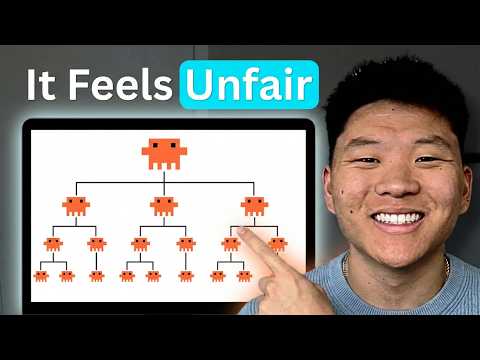
Claude Code sub agents function as parallel, context-isolated workers orchestrated by a main session, allowing for delegation of large research or repetitive tasks. While proponents frame these agents as specialized productivity enhancers that preserve main-model focus, the system relies on description-based triggers which are prone to misfires, requiring iterative configuration rather than guaranteed reliability.
The Case
- Sub agents preserve main context by operating in fresh sessions, demonstrated by a research task offloading 22.8K tokens that would otherwise bloat the main conversation.
- These agents are just markdown files using YAML front matter to define metadata, which live in either project-level .claude directories or global storage for cross-repo access.
- Triggering is fragile; because the orchestrator scans descriptions to decide which agent to invoke, poorly tuned metadata can lead to unintended skills or generic agents firing instead.
- Costs are managed by routing sub-tasks to smaller models like Haiku or Sonnet, reserving the more expensive Opus for the main orchestrator, though specific cost savings remain an assertion without audit.
- Dynamic workflows allow for massive, parallel fan-out exceeding 200 agents in testing, but the speaker warns these can exhaust session limits rapidly.
- Explicit tool permissions, such as read-only constraints, are necessary for security because textual instructions are insufficient to keep agents from accessing sensitive files.
The 1 Minute Signal Take
The video offers a useful technical walkthrough of the delegation mechanism, though the speaker's promotional performance claims lack evidentiary backing. It is worth watching for the live demonstration of configuration files and the practical handling of session limits, but skip the hyperbolic commentary on the tool's absolute superiority.
Time saved:
Tags
Back to Feed