
Why it Matters
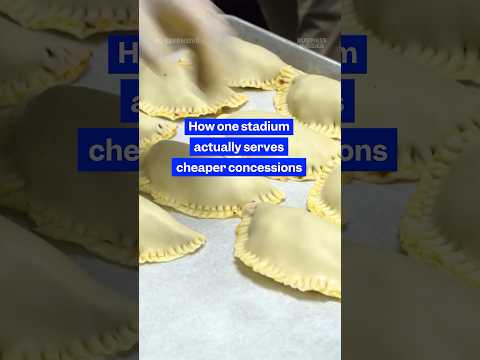
This case challenges the prevailing wisdom that captive audiences must be exploited to cover operating costs. By proving that 'fair' pricing can drive total revenue growth via higher volume, Mercedes-Benz Stadium potentially undermines the entire rationale for hyper-inflated concession pricing in modern sports venues.
Strategic Implications
For venue operators, this suggests that price elasticity in concessions may be higher than historically assumed. If demand is suppressed simply by 'insult' pricing, operators are leaving potential transaction volume on the table. Moving toward a model where high-volume, low-margin items anchor the experience can stabilize long-term fan loyalty.
Evidence & Hype Audit
This is a self-reported case study. While the reported numbers (a 16% to 30% increase) are compelling, they are not independently audited. The causal link between lower prices and increased merchandise sales is an inferred psychological mechanism rather than a proven financial correlation. Skepticism is warranted until longitudinal data across various markets—including teams with less local brand loyalty—is available.
Counterarguments
Critics might argue that such pricing only works in high-traffic or brand-new stadiums with massive infrastructure that can handle a 30% spike in transaction velocity. Smaller, older venues may not have the kitchen throughput or staff density to manage a high-volume, low-margin model without causing service-level collapses.
Who Should Care
- Stadium Operators: To reassess the revenue potential of volume-based pricing.
- Retail Strategists: To understand how perceived value influences secondary basket spending.
- Public Policy Analysts: To evaluate if 'fan-friendly' regulations could be applied to other captive-audience sectors.
What to Do Next
- Audit the relationship between concession speed and total transaction volume.
- Pilot a 'Fan-Friendly Meal' bundle to test price sensitivity in a controlled manner.
- Conduct anonymous sentiment surveys to determine if core item pricing is a primary detractor from fan experience.
- Evaluate kitchen and point-of-sale throughput capacity to ensure the facility can handle high-volume demand.
- Study the revenue delta between concession-only shoppers and full-basket shoppers after price adjustments.