
Why it Matters
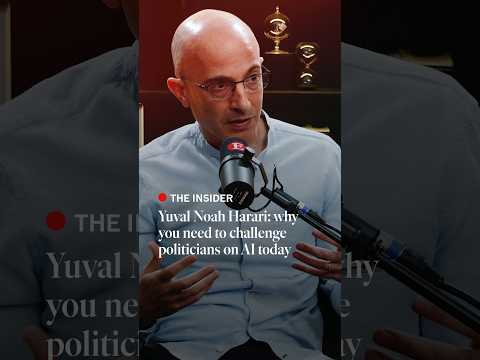
This content shifts the discourse from abstract AI risk to immediate, actionable electoral politics. It highlights the tension between technological speed and democratic inertia, positioning AI policy not as a future concern, but as the most urgent litmus test for current leadership.
Strategic Implications
If Harari’s perspective gains traction, AI literacy will become a mandatory skill for the modern electorate. Candidates who lack a coherent, proactive AI platform may soon face a critical vulnerability, as voters begin to evaluate them based on their willingness to challenge powerful tech interests rather than just repeating party-line talking points.
Evidence & Hype Audit
This content is high on narrative urgency but low on empirical data. Harari’s dates (2028, 2036) serve as powerful psychological anchors to drive immediate action, but they lack explicit technical justification in the transcript. This is a call to political mobilization rather than a technical report; it relies on moral intuition and the fear of losing human distinctiveness.
Counterarguments
Critics might argue that top-down bans on AI 'personhood' or 'impersonation' could stifle innovation or create black markets for unregulated models. Others might contend that prioritizing AI over economic or social stability is a luxury, noting that the immediate impacts of inflation or regional conflict affect voters more tangibly than theoretical AI threats.
Who Should Care
- Voters: To re-evaluate what they demand from candidates.
- Policymakers: To draft early-stage legislative language on AI transparency.
- Tech Ethicists: To refine the definitions of 'personhood' and 'deception' for legal frameworks.
What to Do Next
- Research your local Senate candidates' websites for any mention of 'artificial intelligence' or 'technology regulation.'
- Prepare specific questions about AI personhood and deception for your next town hall or candidate meeting.
- Share these specific policy concerns within your local civic or neighborhood groups to raise awareness.
- Demand that local debate moderators include a dedicated segment on AI governance.
- Track if candidates move from generic talking points to specific policy commitments regarding AI guardrails.