
- The platform will soon support intelligent task scheduling and automated document generation integrated with existing enterprise toolchains.
- Users will be able to perform live web searching within the editor to inform and ground design elements in real-time data.
- AI 2.0 enables a 'design-as-code' paradigm where image editing is handled programmatically via simple conversational prompts.
Canva's AI Features Got A MAJOR Upgrade
Matt Wolfe
Canva is evolving into an agentic design platform that integrates cross-application automation with personalized stylistic learning to streamline creative workflows.
Key Takeaways
- Canva is shifting from a static design tool to an agentic platform that executes multi-step workflows across external applications like Slack and Notion.
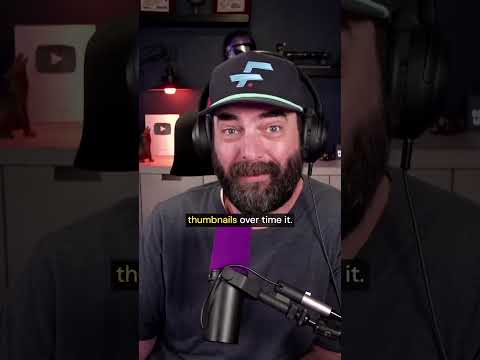
- The platform is introducing persistent personalization, where the AI adapts to a user's unique stylistic output, such as specific thumbnail design patterns, over time.
- Future updates will enable multimodal generation, allowing users to create complex assets including 3D elements and audio directly from natural language prompts.
Talking Points
Pro Analysis
Strategic Significance
Canva is effectively commoditizing the 'junior creative' role by turning specialized design tasks into managed workflows. This represents a shift from content generation (making a picture) to content operations (executing a campaign). By locking user data into a personalized feedback loop, Canva creates a high-moat environment where the AI becomes more indispensable the longer a user stays on the platform.
Who Should Care
Marketing managers, solo entrepreneurs, and content creators should focus on how these agents might replace fragmented stacks of tools (e.g., Jira + Photoshop + Gmail).
Contrarian Takeaway
The risk of this 'personalized style' model is severe aesthetic homogenization. As these tools learn to mimic individual styles, the internet may suffer from an accelerated feedback loop of 'stylistic entropy,' where creators inadvertently train systems that prevent them from evolving their own creative voice because the AI defaults to their previous, safe, and established patterns.
Written by: 1 Minute Signal Editorial Team