
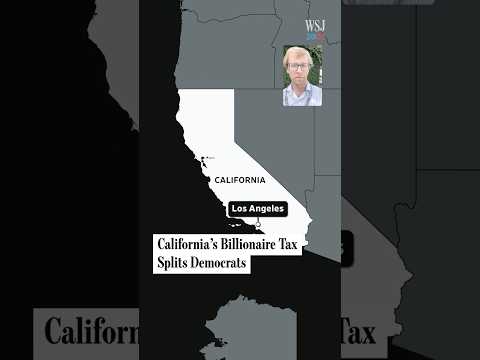
Why It Matters
This ballot measure serves as a high-fidelity test of whether wealth-based taxation can transition from theoretical progressive policy to operational state law. If successful, it provides a replicable, revenue-generating mechanism to bypass federal fiscal constraints, challenging the traditional political consensus that wealth taxes are unworkable.
Strategic Implications
For policymakers, the result will dictate the appetite for future wealth-levy initiatives. If California—a state with significant progressive political infrastructure—struggles to implement or defend the tax, it will likely dampen enthusiasm for similar measures elsewhere. Conversely, a smooth implementation would accelerate the adoption of wealth-based fiscal strategies in other states facing similar budgetary pressures.
Evidence & Hype Audit
This report is balanced but relies heavily on political framing. It accurately separates settled facts (the vote, the positions of Newsom and Becerra) from the speculative arguments (the risk of capital flight, the 'unprecedented' nature of the tax). The claims regarding economic fallout remain largely anecdotal and lack empirical data, typical for a pre-election news cycle report.
Counterarguments
Critics of the tax argue that the 'one-time' framing is a deceptive threshold that will inevitably expand into recurring annual wealth levies. Additionally, opponents suggest that the tax is more symbolic than practical, noting that administrative hurdles could result in costly litigation that negates any revenue gain from the Medicaid backfill.
Who Should Care
- State Policy Strategists: To understand if this tax structure is a viable model for solving local funding gaps.
- Investment Professionals: To track the potential for accelerated capital migration out of California if the tax passes.
- Tax Law Researchers: To observe how wealth assessment for non-liquid assets is handled in a real-world legal challenge.
What to Do Next
- Await official post-election analysis to distinguish actual revenue yield from projected estimates.
- Review the legal framework of the bill to identify potential constitutional challenges regarding wealth valuation.
- Observe if other states introduce 'mirror' bills in the next legislative session regardless of the California outcome.
- Analyze public sentiment data to see if the divide between Democratic voters and leaders persists or converges after the election.