
Why It Matters
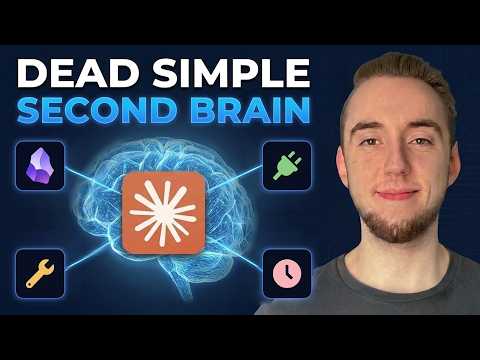
This approach shifts the perspective of AI from an 'input-output' tool to an 'operating system' for the individual. By prioritizing persistent context over model-hopping, the author demystifies the path to high-level productivity, framing AI not as a magic box but as an entity that requires deliberate architectural design.
Strategic Implications
The strategy moves away from the 'automation-first' trap, which often results in brittle scripts. By prioritizing the contextual knowledge base, the user ensures the system is resilient to model upgrades. This design is highly portable, suggesting that the competitive advantage of the future will be the proprietary context files an individual builds rather than the specific model they use.
Evidence & Hype Audit
- Hype vs. Substance: The video leans into self-reported ROI (25–30 hours/week), which is anecdotal. However, the architectural advice is grounded in established software engineering practices (wrapper patterns, regression testing, modularity).
- Trustworthiness: Highly practical, though biased toward the speaker's specific stack (Claude/Obsidian). The inclusion of a sponsor segment regarding Arcade is clearly marked, and the framework remains valuable even if one ignores the sponsor product.
Counterarguments
- The 'Overhead' Trap: Maintaining a high-fidelity 'second brain' with multiple markdown files and a VPS requires non-trivial maintenance. For many, the cost of upkeep may outweigh the 25-hour time savings, especially for roles with lower repetitive-task volumes.
- Model Fragility: The claim that model choice doesn't matter is contentious. As task complexity increases, certain reasoning-heavy models may perform significantly better, potentially breaking 'skills' that were tuned for a lighter model.
Who Should Care
- Knowledge Workers: High-volume information handlers (managers, researchers, writers).
- Solo-entrepreneurs: Those who need an 'executive assistant' to bridge the gap between platforms.
- AI Power Users: Those building custom workflows who struggle with system instability or hallucinated tool usage.
What to Do Next
- Audit: Spend one hour this week writing your
soul.md—how you work, your tone, and your top priorities. - Inventory: List your top three most repetitive tasks that currently require you to copy-paste data.
- Contain: Move your next tool integration into a wrapper script to ensure the agent has limited permissions.
- Test: Create a single, 3-minute 'benchmark' task you can run to test future AI upgrades.