

- Leveraging Postmark-specific stream configurations to separate high-frequency broadcast traffic from transactional conversational data.
- Using system prompt engineering (ignoring historical quote blocks) to reduce token leakage and focus model output on the specific user request.
- Simplifying database schema management in development by automating migrations via
drizzle-kitduring the standardnpm run devlifecycle.
Channel: Tech With Tim
Build a Programmable AI Email Assistant with Next.js and Claude
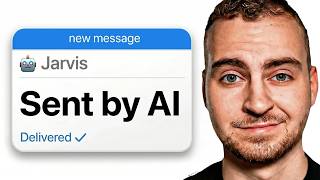
This tutorial demonstrates the implementation of an AI-powered email assistant that automates inbound responses and outbound broadcasts using Next.js, the Anthropic Claude API, and Postmark.
Key Takeaways
- Integrate external email inbound/outbound streams with an LLM backend to enable autonomous, context-aware communication flows.
- Utilize SQLite and Drizzle ORM to maintain state, including message history, contact management, and delivery tracking for transactional and broadcast emails.
- Deploy local development hooks via Ngrok to enable real-time testing of webhooks against production email infrastructure providers.
Talking Points
Analysis
This project is a high-utility template for developers needing to bridge the gap between static LLM reasoning and real-world asynchronous communication. The strategic importance lies in the 'event-driven' nature of the architecture—moving beyond simple chat interfaces to infrastructure that lives within the user's existing email workflow.
-
Target Audience: Backend and full-stack engineers building customer support automation, personalized outreach tools, or notification agents.
-
Contrarian Takeaway: Most developers over-complicate AI projects by immediately reaching for large vector databases or complex RAG architectures. This video highlights that for most transactional email tasks, a simple SQL-backed conversation history is faster to implement, more cost-effective, and easier to debug than a vector-indexed retrieval system.
Time saved:
Channel: Tech With Tim