
- Elastic's built-in Agent Builder eliminates the requirement for complex external orchestration or boilerplate glue code.
- ESQL allows for sophisticated joining of high-value datasets, providing the agent with meaningful and context-aware tools.
- The system supports flexible deployment, allowing created agents to be invoked through APIs or standard connectivity protocols like MCP.
From Zero to Working AI Agent in 60 Seconds
Tech With Tim
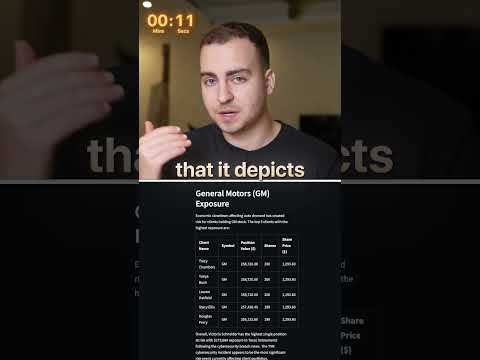
This presentation demonstrates how to rapidly deploy a custom AI agent using Elastic's built-in Agent Builder within Kibana, removing the need for external frameworks.
Key Takeaways
- Rapid development of AI agents is now achievable by leveraging existing data indexed directly within the Elastic Stack.
- Users can define specific skills for their agents using ESQL, which enables seamless integration of complex datasets like news sentiment and financial portfolios.
- The resulting agents are production-ready and can be easily accessed via standard APIs and MCP protocols for broader application use.
Talking Points
Pro Analysis
This approach is strategically important for enterprise teams burdened by high technical debt and slow deployment pipelines. By shifting the agent building process into the observability and search platform where the data already resides, organizations reduce data movement and latency.
Who Should Care:
- Data Engineers and DevOps teams: Those managing massive datasets who need to operationalize insights without building bespoke backend wrappers.
- Enterprise Decision Makers: Leaders looking to shorten the 'time-to-first-value' for AI initiatives.
Contrarian Takeaway:
While most industry discourse focuses on building complex RAG (Retrieval-Augmented Generation) pipelines with external vector databases, this approach suggests that the most effective path to AI adoption may be 'localizing' agent logic directly within the data store, rather than building abstraction layers on top of it.
Written by: 1 Minute Signal Editorial Team